



Revolution: Chapter 12 - Defending the Nation
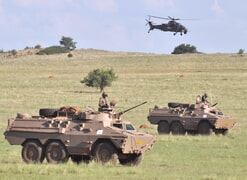
By the fifth year after the coup, the Council turned its attention to a sector long neglected, yet essential to any sovereign nation: defence.
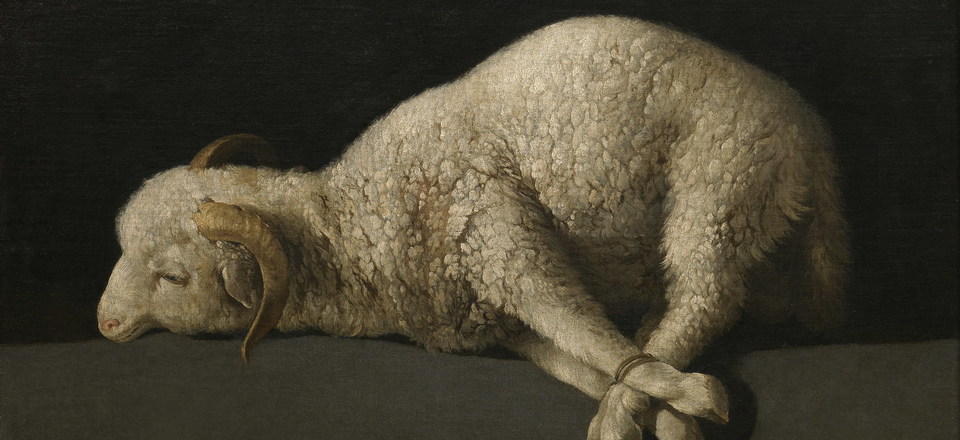
Mary had a little lamb. When it was six months old Mary’s father loaded it, along with 149 other little lambs, onto a truck and sent it to the abattoir. At the abattoir it received a blow to the forehead from a captive bolt stun gun. Then its throat was slit and its little heart pumped blood into a receptacle until it stopped beating. After being hung up to drain its head and feet were sawn off and it was skinned. It was cut open, top to bottom, and heart, liver and kidneys were removed before lungs, stomach and bladder were disposed of.
Mary’s little lamb, which was now a carcass, travelled down the line suspended from a meat hook until it reached a cold room, was weighed and stamped, and left hanging in the company of thousands of other carcasses for a week. After a week it was transported in a refrigerated truck to a supermarket and butchered into a number of cuts. Legs of lamb, lamb chops, lamb cutlets and braai ribs were neatly packed on polystyrene trays, sealed in kling wrap, weighed, labelled and put on display. At least a dozen different consumers bought bits and pieces of Mary’s little lamb and took them home to barbecue or roast. None of them knew that Mary still cried when she thought about her little lamb.
From the Nursery Rhymes and Fairy Tales collection.
To view my longer work as an author, you can find me on Smashwords here.
This is my writer's blog and it's a pleasure to have your company. You’ll see that the site is designed to showcase my writing.
View ProfileXplorio is your local connection allowing you to find anything and everything about a town.
Read MoreBy the fifth year after the coup, the Council turned its attention to a sector long neglected, yet essential to any sovereign nation: defence.
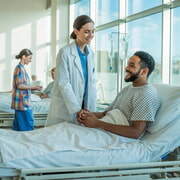
By 2031, as the housing and agricultural sectors surged forward, the Council turned its attention to another pillar of national recovery: healthcare.
The Second Address to the Nation, delivered on 15 December 2026, was the most widely watched broadcast in South Africa's modern history.
The the close of 2027, a year after the September Intervention, the effects of the Council's reforms had begun to reshape South African society in visible and measurable ways. While challenges persisted, there was a growing sense that the machine...
By the second year of the Council's stewardship, it had become evident that South Africa's future depended not merely on political stability or economic revival, but on the quality of its education system.
By the third anniversary of the September Revolution, the Council's achievements in restoring governance, stabilising the economy, and revitalising eduction had begun to bear fruit. Yet, as Harvey Jacobs repeatedly emphasised, "a nation cann...