




Guide to Edible and Toxic Mushrooms
Mushrooms, a diverse group of fungi, range from edible delicacies to poisonous hazards.
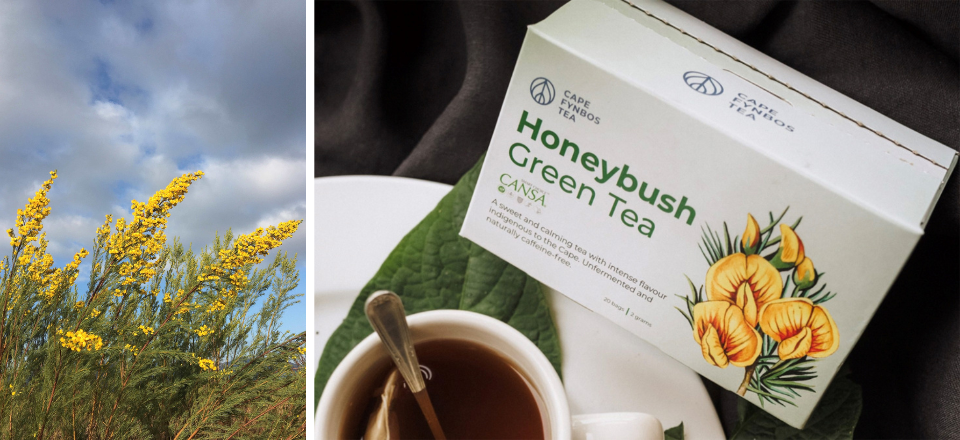
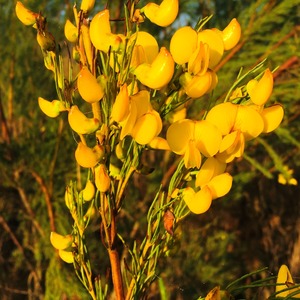
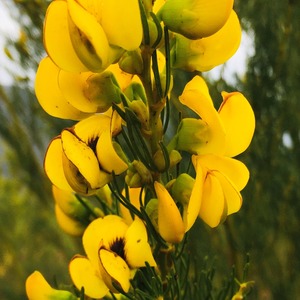
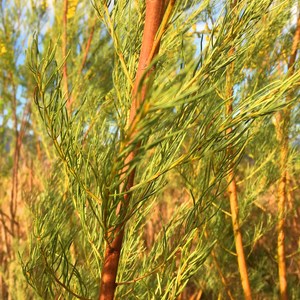
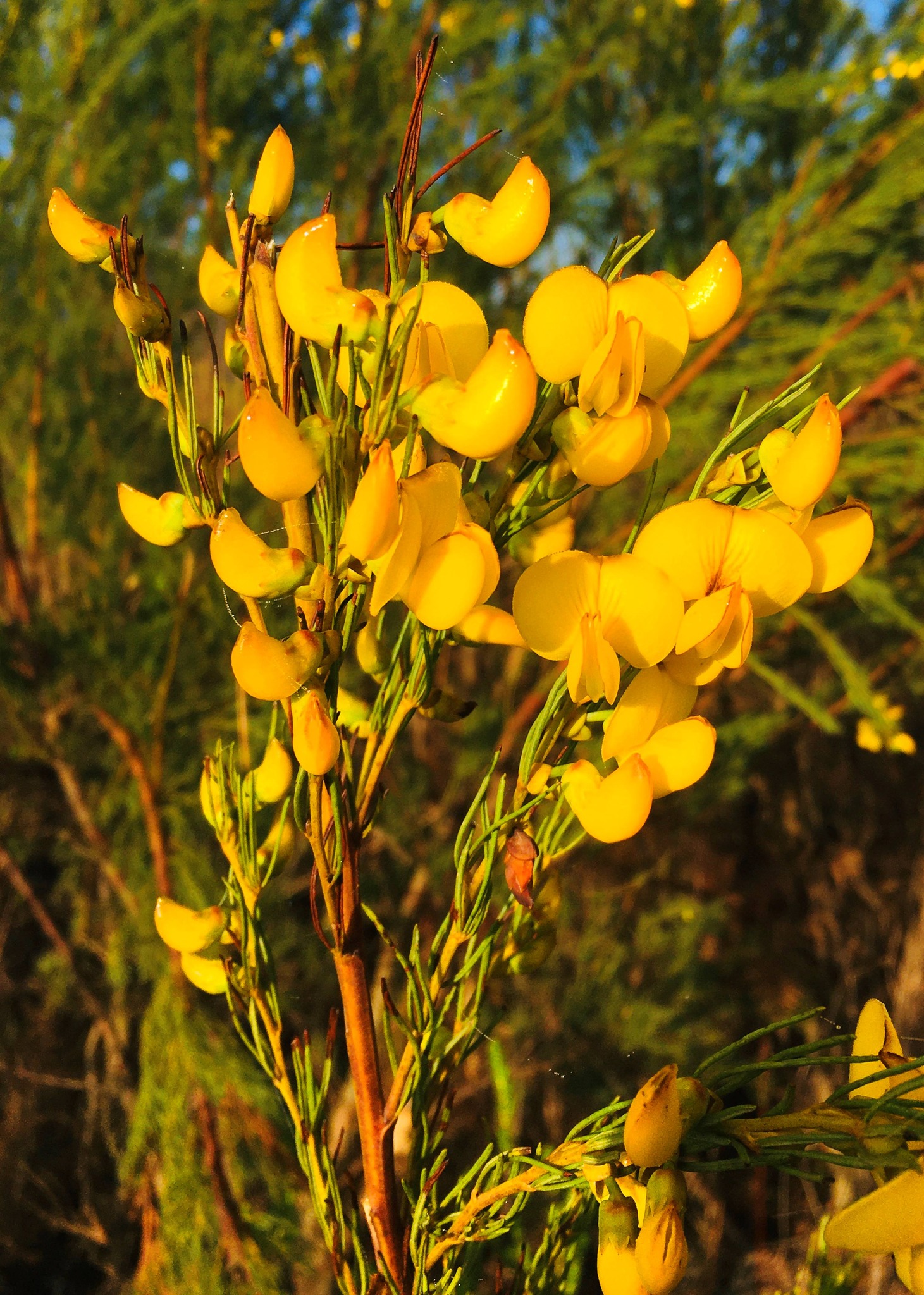
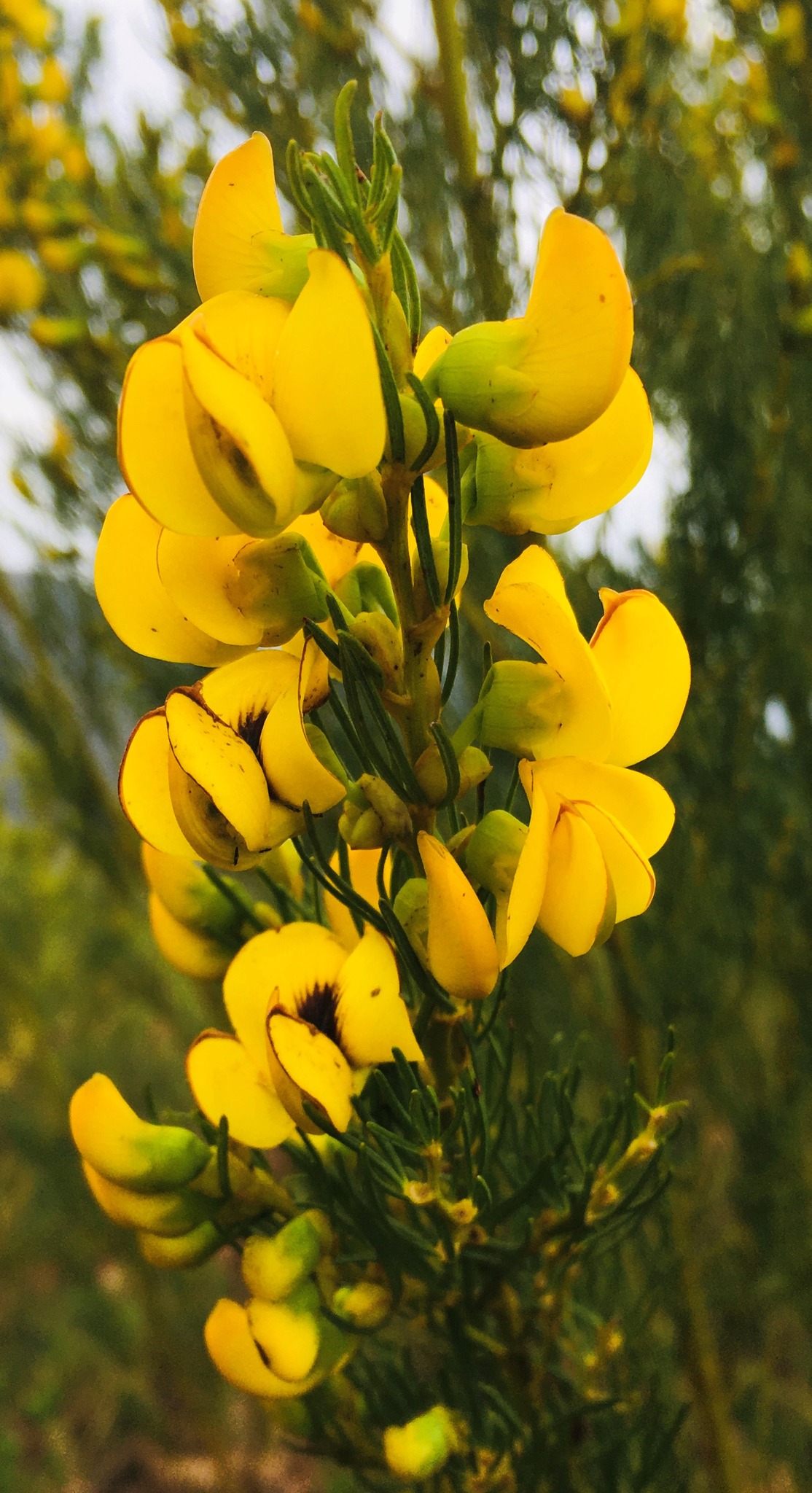
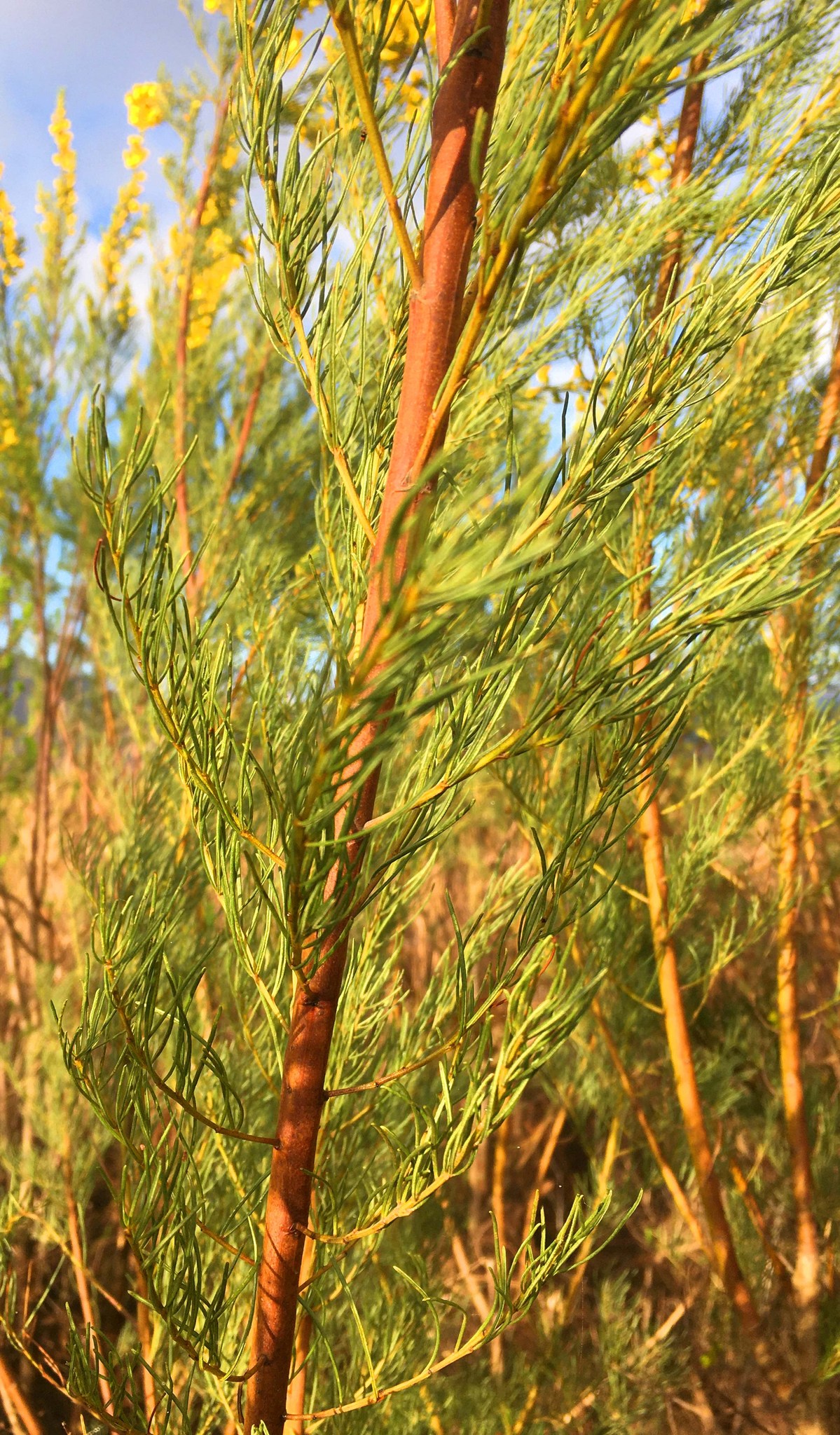
Honeybush also known as Cyclopia, Bush tea or Boertee. From the Fabaceae or Pea Family
Honeybush (Cyclopia spp.) is an endemic South African fynbos shrub that grows naturally on the sandy coastal plains and mountain slopes of the Western and Eastern Cape, there are + 20 species of this flowering plant. Honeybush (scientific name Cyclopia spp.; Family: Fabaceae), or 'Heuningbos' in Afrikaans is commonly used to make an infusion in the same manner as tea. Honeybush is so named because the flowers smell of honey. The taste of honeybush tea is like that of rooibos but a little sweeter. In some rural districts, it used to be common practice to keep a kettle of honeybush tea infusing on the stove ready for drinking while scenting the whole house, long term simmering did not create a bitter tea.
Rooibos (Aspalathus linearis) has a naturally sweet, earthy and slightly nutty flavour while honeybush has undertones of wood and honey, this tea has a fuller body and is sweeter than rooibos.. Aspalathus linearis has a small endemic range in the wild growing in the Cedarberg mountains where it is harvested, but horticultural techniques to maximize production have been effective at maintaining cultivation as a semi-wild crop to supply the new demands of the broadening rooibos tea industry.
Text and Images: Mike Kock
Greyton Conservation Society (GCS) is a non-governmental organisation focused on preserving Greyton’s architectural heritage and natural environment. This includes the commonage adjacent to the village and the Greyton Nature Reserve. Registered with Heritage Western Cape, the Greyton Conservation ...
View ProfileXplorio is your local connection allowing you to find anything and everything about a town.
Read MoreMushrooms, a diverse group of fungi, range from edible delicacies to poisonous hazards.