



Revolution: Chapter 12 - Defending the Nation
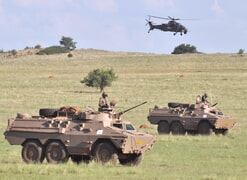
By the fifth year after the coup, the Council turned its attention to a sector long neglected, yet essential to any sovereign nation: defence.

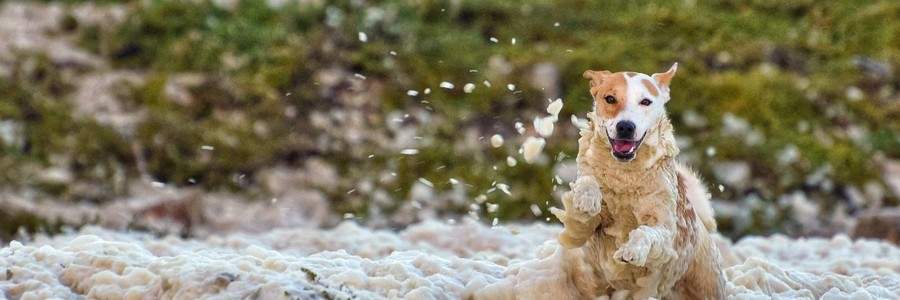
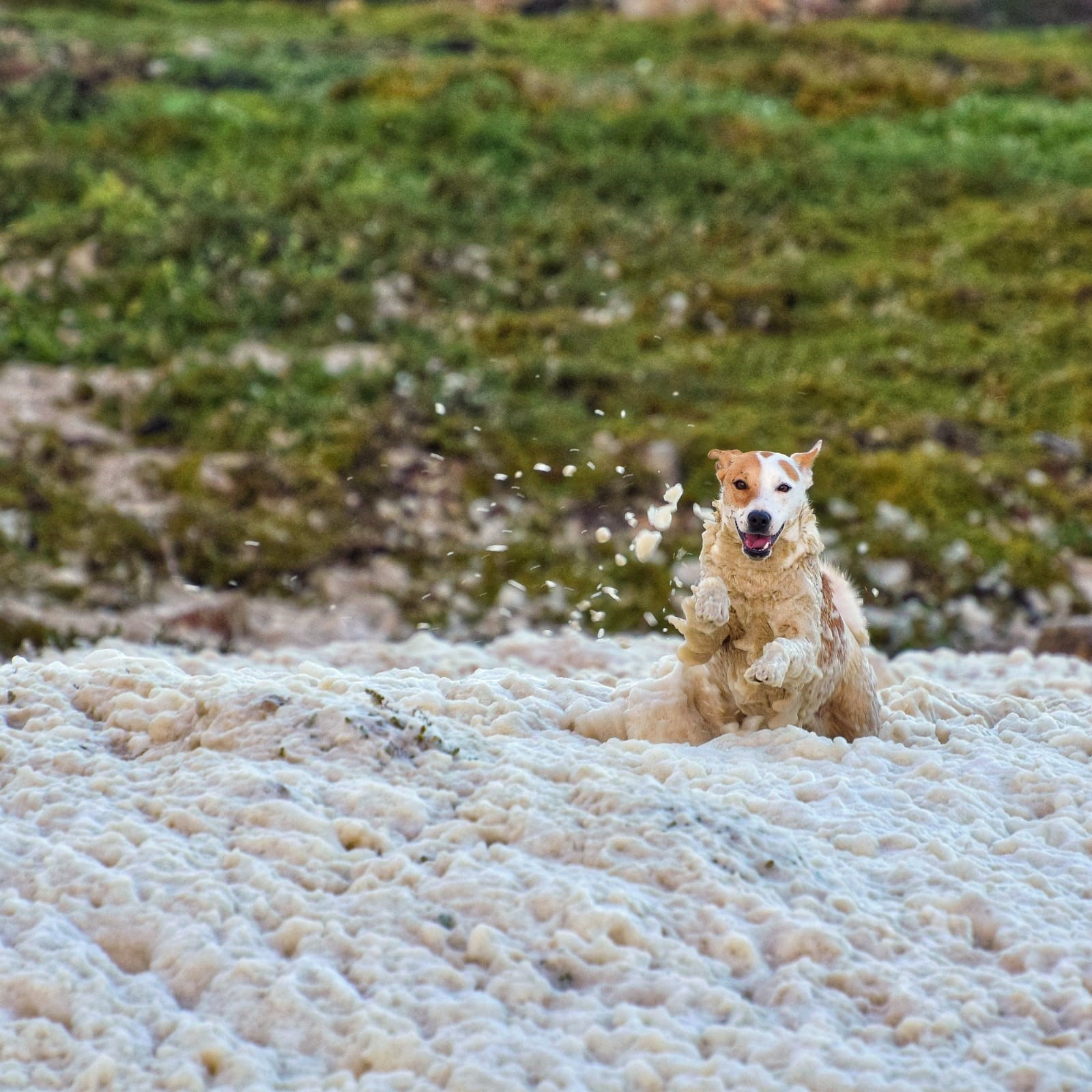
To make up for disrupting the power supply for three days, the recent winter storm generated a massive amount of sea foam and drove it ashore on Monday. It was a spectacular natural event resulting in what was variously described as soap suds, whipped cream, cotton wool and souffle, depending on one’s imagination, and varied in colour from dirty brown to shades of yellow to pure white. On Tuesday it was all gone.
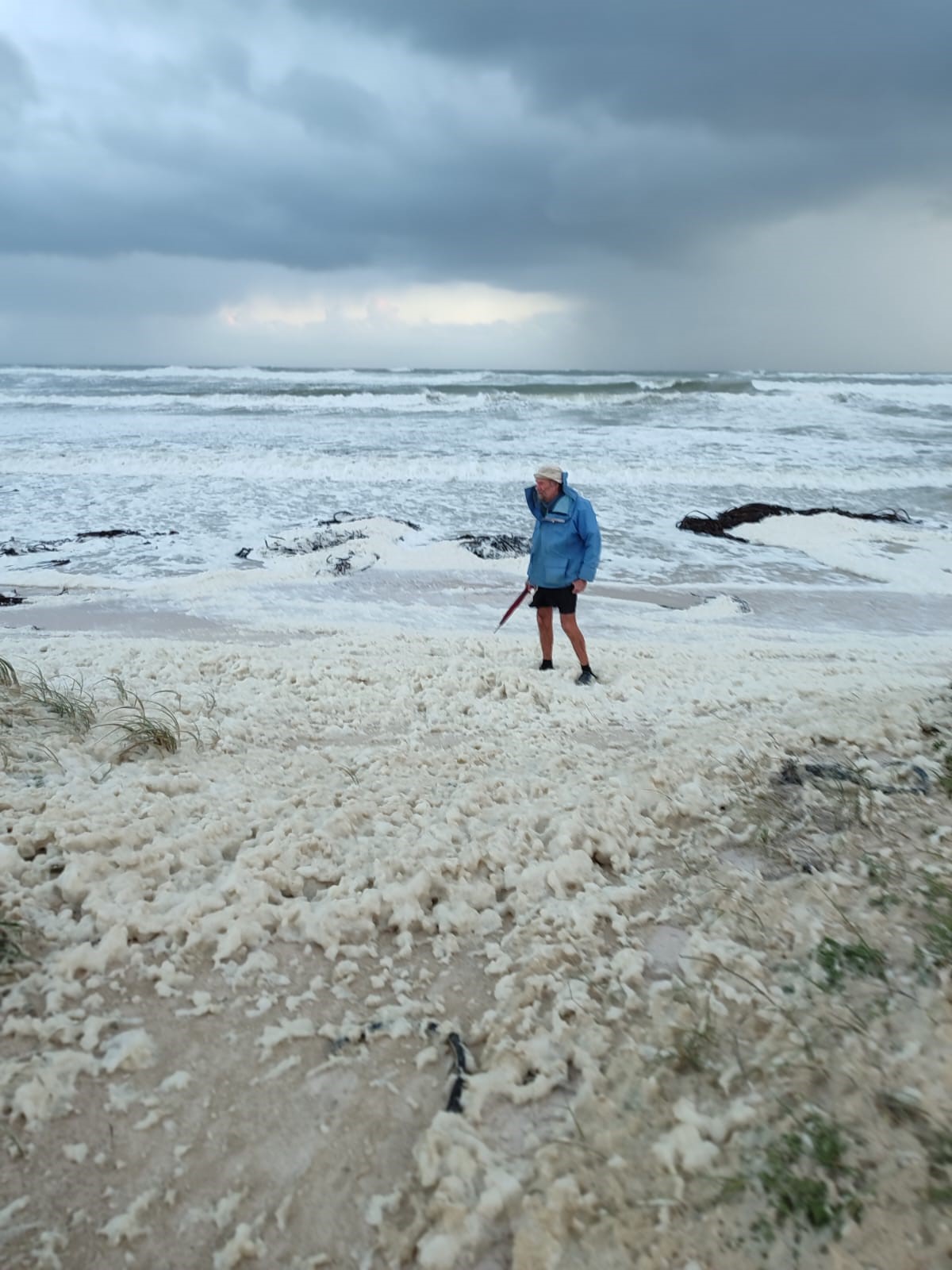
There is an informative article on Wikipedia, which describes and explains the phenomenon, and is well worth reading. Here is an extract:
Sea foam, ocean foam, beach foam, or spume is a type of foam created by the agitation of seawater, particularly when it contains higher concentrations of dissolved organic matter (including proteins, lignins, and lipids) derived from sources such as the offshore breakdown of algal blooms. [1] These compounds can act as surfactants or foaming agents. As the seawater is churned by breaking waves in the surf zone adjacent to the shore, the surfactants under these turbulent conditions trap air, forming persistent bubbles that stick to each other through surface tension.
Sea foam is a global phenomenon, [1] and it varies depending on location and the potential influence of the surrounding marine, freshwater, and/or terrestrial environments. [2] Due to its low density and persistence, foam can be blown by strong on-shore winds from the beach face inland.
To view my longer work as an author, you can find me on Smashwords here.
This is my writer's blog and it's a pleasure to have your company. You’ll see that the site is designed to showcase my writing.
View ProfileXplorio is your local connection allowing you to find anything and everything about a town.
Read MoreBy the fifth year after the coup, the Council turned its attention to a sector long neglected, yet essential to any sovereign nation: defence.
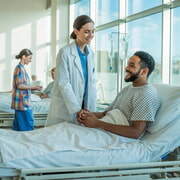
By 2031, as the housing and agricultural sectors surged forward, the Council turned its attention to another pillar of national recovery: healthcare.
The Second Address to the Nation, delivered on 15 December 2026, was the most widely watched broadcast in South Africa's modern history.
The the close of 2027, a year after the September Intervention, the effects of the Council's reforms had begun to reshape South African society in visible and measurable ways. While challenges persisted, there was a growing sense that the machine...
By the second year of the Council's stewardship, it had become evident that South Africa's future depended not merely on political stability or economic revival, but on the quality of its education system.
By the third anniversary of the September Revolution, the Council's achievements in restoring governance, stabilising the economy, and revitalising eduction had begun to bear fruit. Yet, as Harvey Jacobs repeatedly emphasised, "a nation cann...