



Revolution: Chapter 12 - Defending the Nation
By the fifth year after the coup, the Council turned its attention to a sector long neglected, yet essential to any sovereign nation: defence.
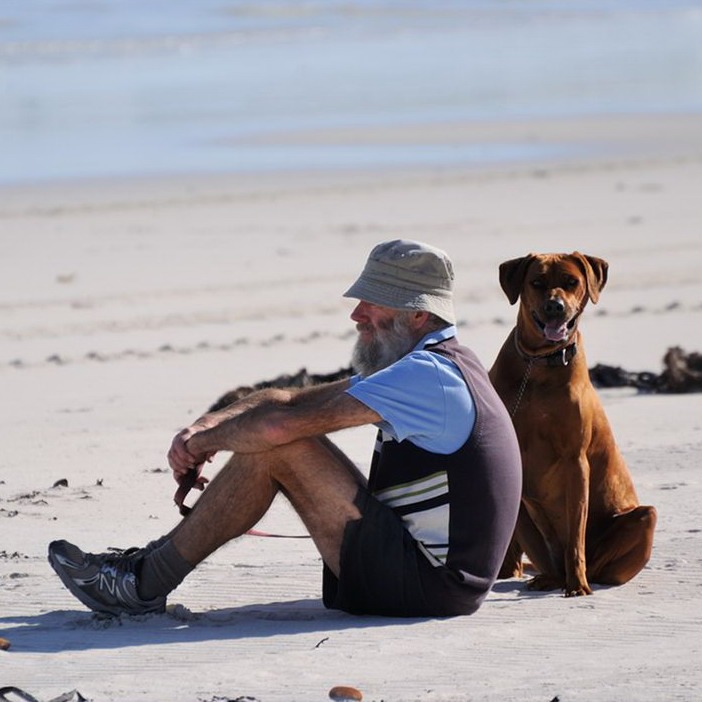
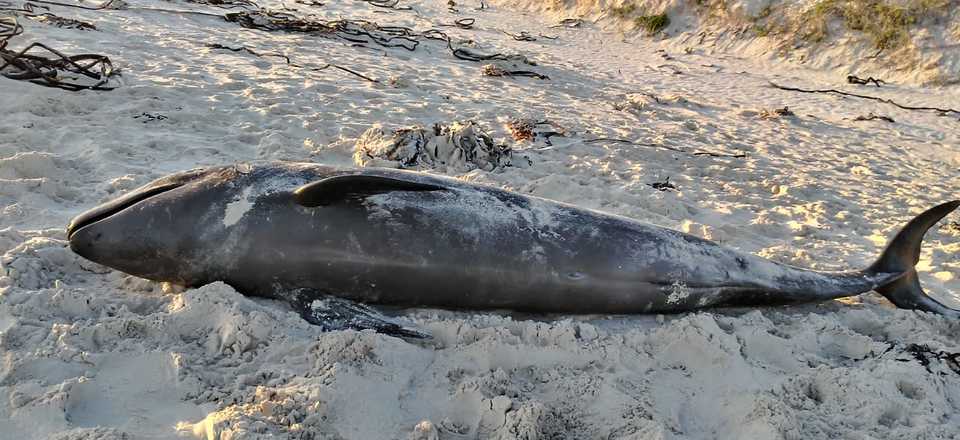
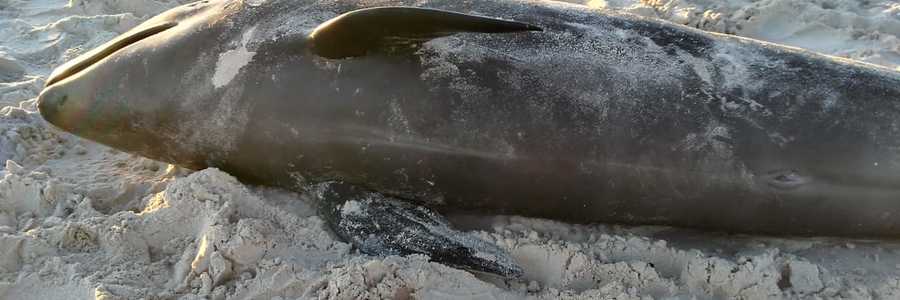
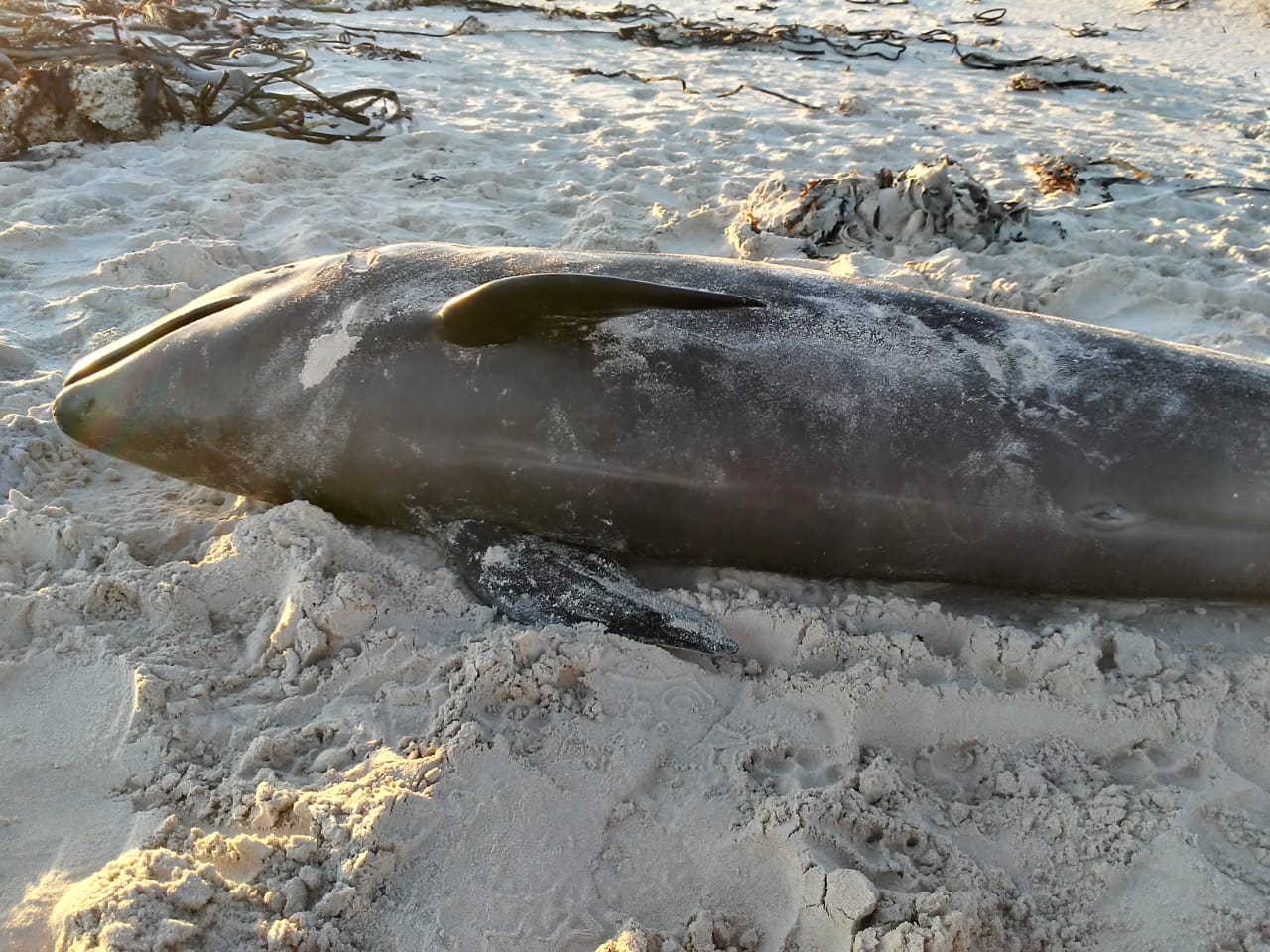
On Thursday 8 April at about 1:30 I was walking on the beach with my dog. The tide had just turned and was on its way out after leaving behind what I mistook to be a dead dolphin.
It was lying face down on the white sand that bore no trace of footprints. I was the first person to witness what the sea had brought ashore and I felt elated on that count. This was a natural event that no other human had defiled with their presence.
The dorsal fin was coated in sand, but otherwise the rest of the body was entirely clean. The skin was uniformly black and without blemish, drawn tightly over blubber and muscle bulging with the firmness of youth. I ran my fingers over the silky surface that was so smooth and non-porous it felt like the synthetic rubber of a balloon. It reminded me of the Southern Right Whale calf that had been washed up on Silversands beach a few kilometres to the east in 2008. Both animals were freshly dead and showed no signs of injury or decomposition.
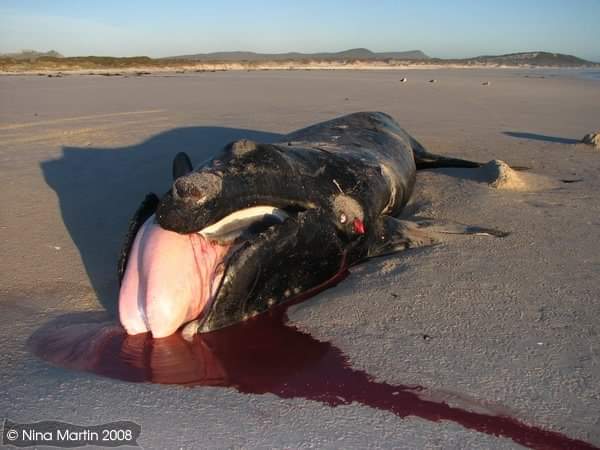
I contacted Xolani Lawo of the African Penguin and Seabird Sanctuary and notified him of the unusual creature that had been beached. He later informed me that this was no dolphin but a young False Killer Whale.
When I returned to the site with my wife that evening the sand was heavily trampled and the animal was lying on its side. Two small squares of skin had been removed and biopsies had been performed.
Three days later Xolani sent the following link that provides interesting visuals and information: http://dict.org.za/blog/false-killer-whale-stranding-in-pearly-beach/
To view my longer work as an author, you can find me on Smashwords here.
This is my writer's blog and it's a pleasure to have your company. You’ll see that the site is designed to showcase my writing.
View ProfileXplorio is your local connection allowing you to find anything and everything about a town.
Read MoreBy the fifth year after the coup, the Council turned its attention to a sector long neglected, yet essential to any sovereign nation: defence.
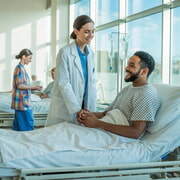
By 2031, as the housing and agricultural sectors surged forward, the Council turned its attention to another pillar of national recovery: healthcare.
The Second Address to the Nation, delivered on 15 December 2026, was the most widely watched broadcast in South Africa's modern history.
The the close of 2027, a year after the September Intervention, the effects of the Council's reforms had begun to reshape South African society in visible and measurable ways. While challenges persisted, there was a growing sense that the machine...
By the second year of the Council's stewardship, it had become evident that South Africa's future depended not merely on political stability or economic revival, but on the quality of its education system.
By the third anniversary of the September Revolution, the Council's achievements in restoring governance, stabilising the economy, and revitalising eduction had begun to bear fruit. Yet, as Harvey Jacobs repeatedly emphasised, "a nation cann...