



Revolution: Chapter 12 - Defending the Nation
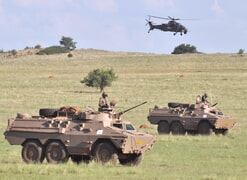
By the fifth year after the coup, the Council turned its attention to a sector long neglected, yet essential to any sovereign nation: defence.
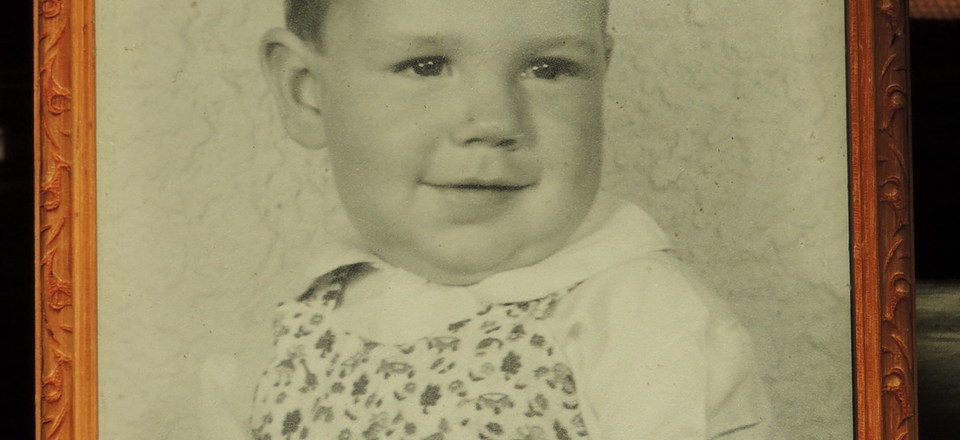
In this framed photograph of me, I look to be about two years old. There were similarly sized pictures of Alan and Jean, and the three of us were hung in the lounge, first at 931 Grey Street in Gwelo, and then at 93 Berg Road., Fish Hoek.
As a boy Alan hated beetroot. One day my father noticed that I was looking a little flushed, even though I had been shot in black and white. Puzzled, he rose from the table for a closer inspection. When he lifted the frame away from the wall two slices of pickled beetroot fell to the floor. The pink stain faded over the years and now there is virtually no trace of my brother’s misdemeanour.
My mother said I was crying in front of the camera, which would explain the way my eyes are shining. I have never liked the look of that snivelling child.
To view my longer work as an author, you can find me on Smashwords here.
This is my writer's blog and it's a pleasure to have your company. You’ll see that the site is designed to showcase my writing.
View ProfileXplorio is your local connection allowing you to find anything and everything about a town.
Read MoreBy the fifth year after the coup, the Council turned its attention to a sector long neglected, yet essential to any sovereign nation: defence.
By 2031, as the housing and agricultural sectors surged forward, the Council turned its attention to another pillar of national recovery: healthcare.
The Second Address to the Nation, delivered on 15 December 2026, was the most widely watched broadcast in South Africa's modern history.
The the close of 2027, a year after the September Intervention, the effects of the Council's reforms had begun to reshape South African society in visible and measurable ways. While challenges persisted, there was a growing sense that the machine...
By the second year of the Council's stewardship, it had become evident that South Africa's future depended not merely on political stability or economic revival, but on the quality of its education system.
By the third anniversary of the September Revolution, the Council's achievements in restoring governance, stabilising the economy, and revitalising eduction had begun to bear fruit. Yet, as Harvey Jacobs repeatedly emphasised, "a nation cann...