



Revolution: Chapter 12 - Defending the Nation
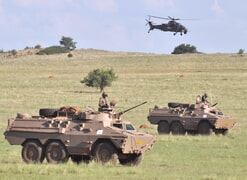
By the fifth year after the coup, the Council turned its attention to a sector long neglected, yet essential to any sovereign nation: defence.
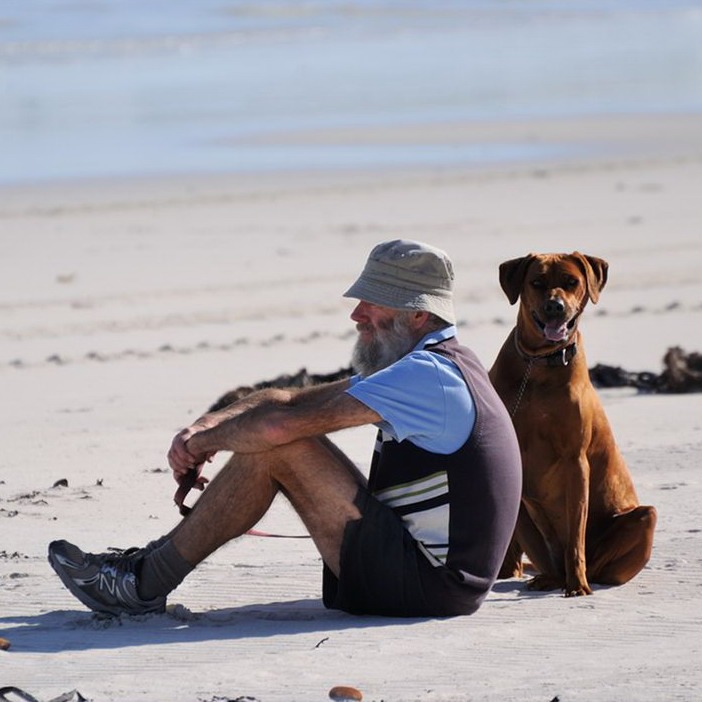
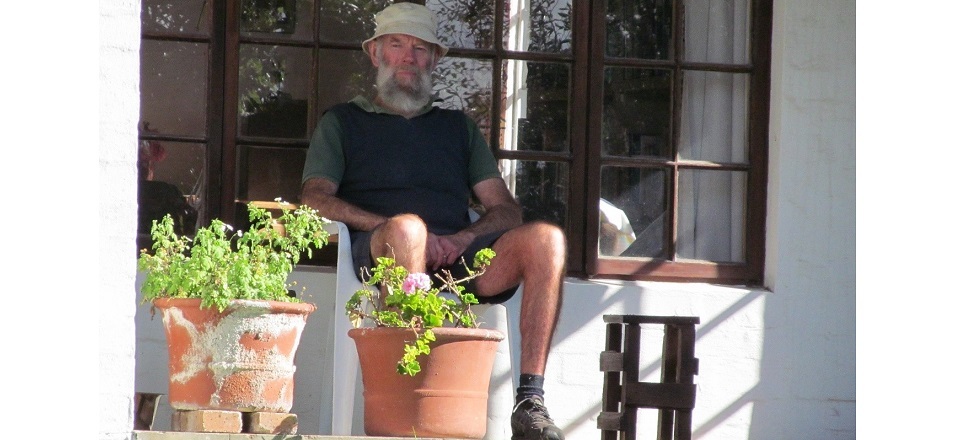
I was sitting on my stoep thinking about nothing of consequence while enjoying a glass of wine, when this fellow and two young women came into view. They were strolling up the road, probably on their way to Eluxolweni. The man looked in my direction and said in a voice loud enough for me to hear. “Die oupa sit op die stoep.”
“Die oupa sal jou gat skop, ou pel,” I called out, but he was too busy talking rubbish to the ladies to hear me.
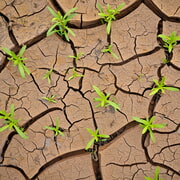
I went inside for a refill and then resumed my seat on the stoep. Cheeky bastard! No respect for the elderly. I chewed on this for a bit and it occurred to me that this punk didn’t owe me or my generation any respect at all. I would probably continue to enjoy a decent standard of living until the day came to kick the bucket. But what did this guy have to look forward to? He was probably unemployed and would never find more than a few days of menial work in a month, if he was lucky. I considered the challenges he and other young people were likely to encounter. A collapsing economy, civil strife, hunger, disease, the effects of climate change and environmental degradation, and the inevitable outbreak of wars as nations fought over dwindling resources on an overpopulated planet. The world I and my generation were bequeathing to the youth was in a horrible mess and we were responsible for it. Driven by greed, selfishness and stupidity, we had robbed future generations of a life worth living. Without predators to keep us in check, we had proliferated like rats, gorging ourselves on what nature had to offer and ignoring all the warning signs that our extravagant way of life was unsustainable.
No, I told myself, young people didn’t owe us oldies any respect. Far from it. Why should we be allowed to sit on the stoep drinking wine while the disastrous consequences of our irresponsible choices played out. I tried to find excuses for our deplorable behaviour and a way to shift the blame but got nowhere. We deserved to have our descendants hold us to account. Our worldly assets should be seized and we should be euthanised before any more resources were squandered on extending the last days of our parasitic old age. But I knew this would be unlikely, and I would have to resign myself to continue sitting on the stoep drinking wine while civilization collapsed and Homo sapiens headed for self-annihilation.
To view my longer work as an author, you can find me on Smashwords here.
This is my writer's blog and it's a pleasure to have your company. You’ll see that the site is designed to showcase my writing.
View ProfileXplorio is your local connection allowing you to find anything and everything about a town.
Read MoreBy the fifth year after the coup, the Council turned its attention to a sector long neglected, yet essential to any sovereign nation: defence.
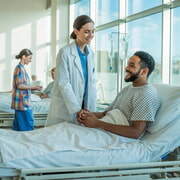
By 2031, as the housing and agricultural sectors surged forward, the Council turned its attention to another pillar of national recovery: healthcare.
The Second Address to the Nation, delivered on 15 December 2026, was the most widely watched broadcast in South Africa's modern history.
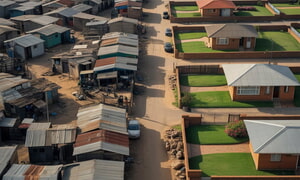
The the close of 2027, a year after the September Intervention, the effects of the Council's reforms had begun to reshape South African society in visible and measurable ways. While challenges persisted, there was a growing sense that the machine...
By the second year of the Council's stewardship, it had become evident that South Africa's future depended not merely on political stability or economic revival, but on the quality of its education system.
By the third anniversary of the September Revolution, the Council's achievements in restoring governance, stabilising the economy, and revitalising eduction had begun to bear fruit. Yet, as Harvey Jacobs repeatedly emphasised, "a nation cann...