




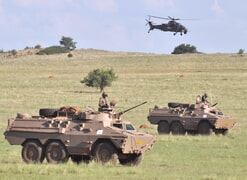
Revolution: Chapter 12 - Defending the Nation
By the fifth year after the coup, the Council turned its attention to a sector long neglected, yet essential to any sovereign nation: defence.
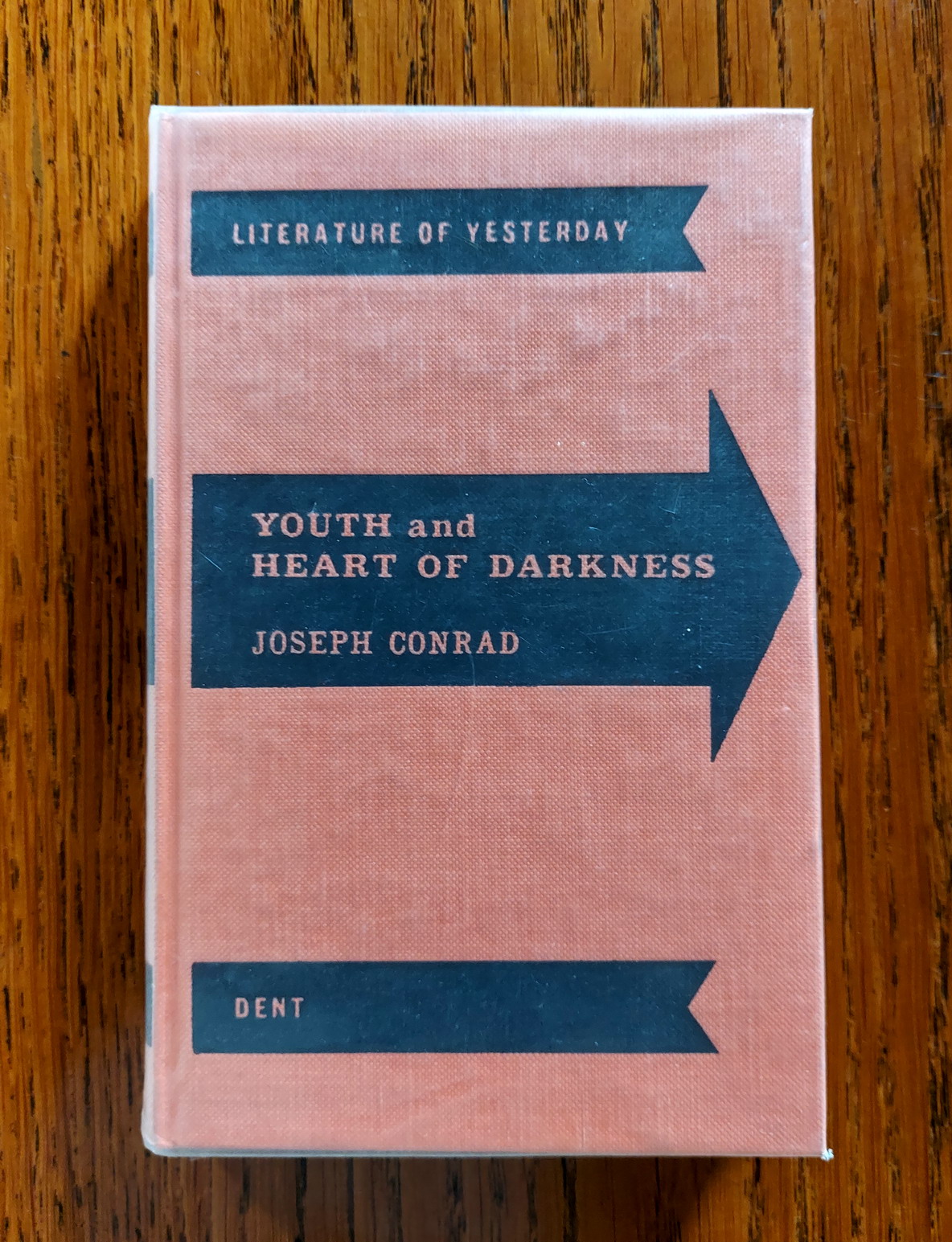
I bought this book for 75 cents in 1969.
Conrad’s novella was published in 1899. It was based on his journey up the Congo River and his witnessing of the brutal exploitation of the local population by the European intruders.
At the Berlin Conference of 1884-5 King Leopold of Belgium had been “given” a huge chunk of Africa many times the size of his own country. Congolese chiefs were duped into signing treaties and concessions that resulted in the virtual enslavement of their people.
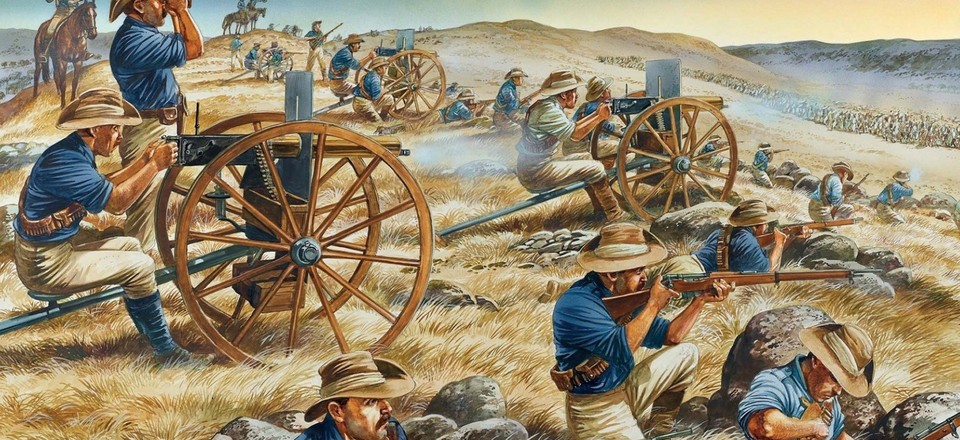
In Southern Africa, the British were permitted to extend their sphere of colonial influence northwards. In 1888Cecil Rhodes sent emissaries across the Limpopo to meet the Chief of the Ndabele. Lobengula was tricked into signing treaties and granting mining concessions. As white settlers moved in the native population became aware of the danger they were in and began to resist. The conflict that resulted in the Matabele Wars of the 1890’s ended in their defeat by the better armed Europeans who were greatly assisted by Hiram Maxim’s recent invention, a gun that automatically reloaded and could fire 450 rounds a minute. The vanquished blacks were forced into Native Reserves and the ‘Suppression of Savage Customs’ began in earnest.
To view my longer work as an author, you can find me on Smashwords here.
This is my writer's blog and it's a pleasure to have your company. You’ll see that the site is designed to showcase my writing.
View ProfileXplorio is your local connection allowing you to find anything and everything about a town.
Read MoreBy the fifth year after the coup, the Council turned its attention to a sector long neglected, yet essential to any sovereign nation: defence.
By 2031, as the housing and agricultural sectors surged forward, the Council turned its attention to another pillar of national recovery: healthcare.
The Second Address to the Nation, delivered on 15 December 2026, was the most widely watched broadcast in South Africa's modern history.
The the close of 2027, a year after the September Intervention, the effects of the Council's reforms had begun to reshape South African society in visible and measurable ways. While challenges persisted, there was a growing sense that the machine...
By the second year of the Council's stewardship, it had become evident that South Africa's future depended not merely on political stability or economic revival, but on the quality of its education system.
By the third anniversary of the September Revolution, the Council's achievements in restoring governance, stabilising the economy, and revitalising eduction had begun to bear fruit. Yet, as Harvey Jacobs repeatedly emphasised, "a nation cann...