



Revolution: Chapter 12 - Defending the Nation
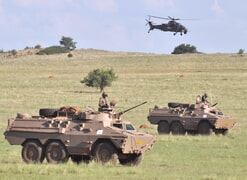
By the fifth year after the coup, the Council turned its attention to a sector long neglected, yet essential to any sovereign nation: defence.
On returning to South Africa from Rhodesia in 1963, my father found employment as a motor mechanic in the Simon’s Town Naval Dockyard. He was 48 years old and remained in that job until his retirement at 60 in 1975.
As something of a fitness fanatic, he started every workday, regardless of weather conditions, with a workout in the courtyard. This consisted of running on the spot, lifting weights and doing 20 sit-ups followed by 50 press-ups.
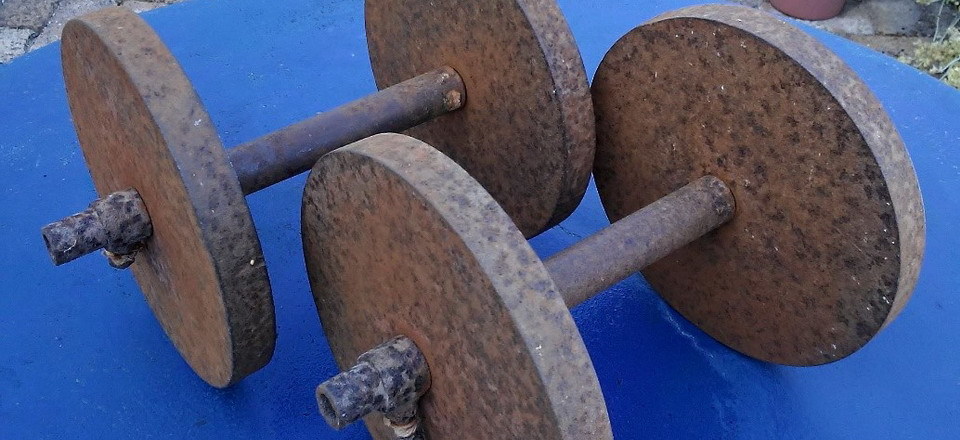
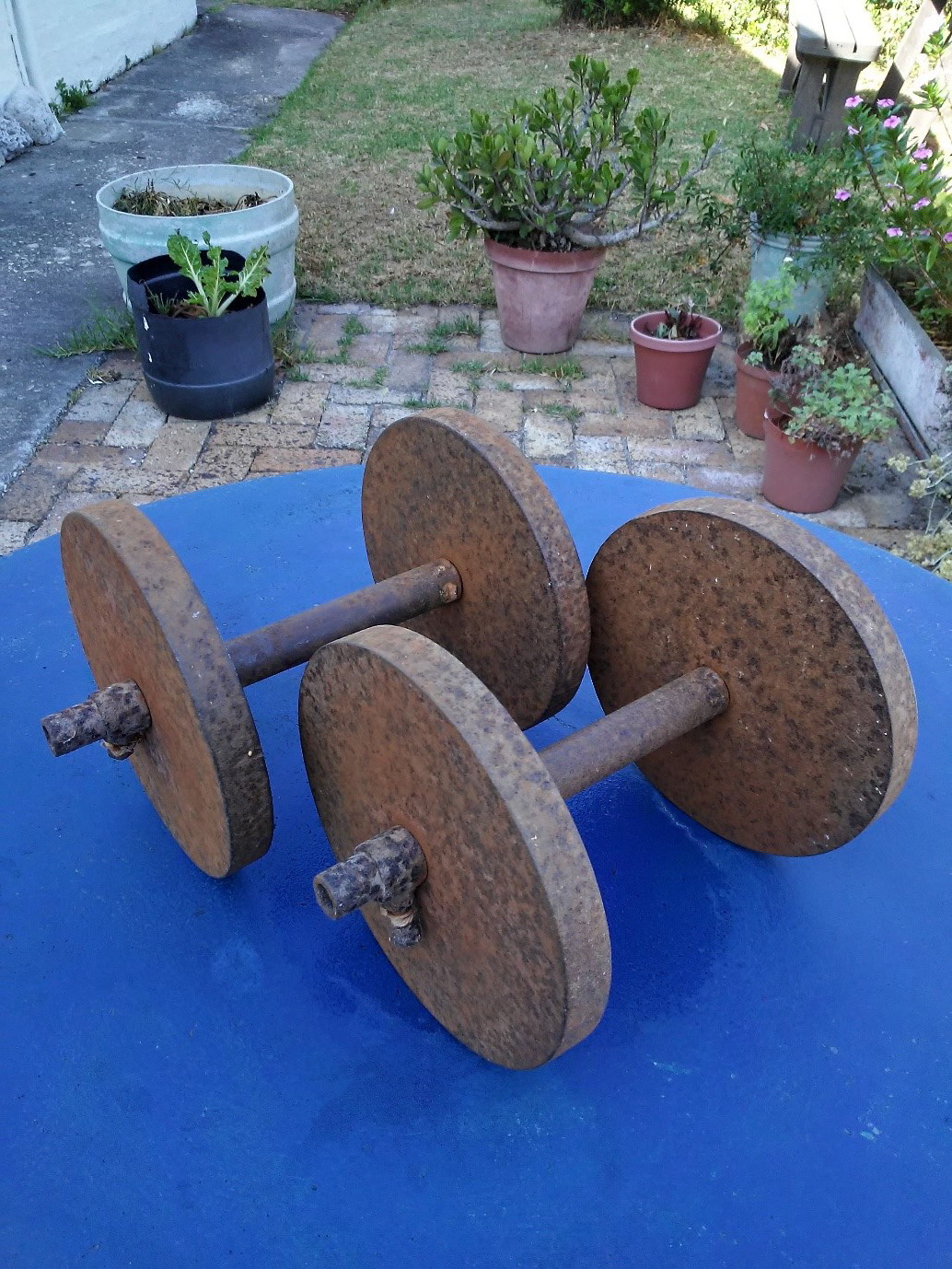
He had two 10kg dumbbells and a 40kg barbell, which were manufactured in the Yard by mateys of his acquaintance. A Dockyard matey was an artisan who was willing to be of assistance to other mateys, knowing that reciprocity was a fundamental principle shared by members of the fraternity. The weights for the dumbbells were manufactured in the Heavy Plate Shop, and those for the barbell were made in the Foundry.
The Heavy Plate Shop, unlike the light Plate Shop, had a massive overhead crane and specialized oxyacetylene cutting equipment. The four discs came from the thickest steel plate available. At an inch thick, it was used primarily as armour for gun turrets and was the heaviest material in use. The two weights for the barbell, which resembled cannon balls, were cast in the Foundry. Each one had a thread turned into it, thus enabling it to be screwed onto the end of the bar. It was important that all components could be dismantled in order to make it easier to smuggle them out of the Dockyard without detection should the goons at the gate mount a surprise search of workers’ cars.
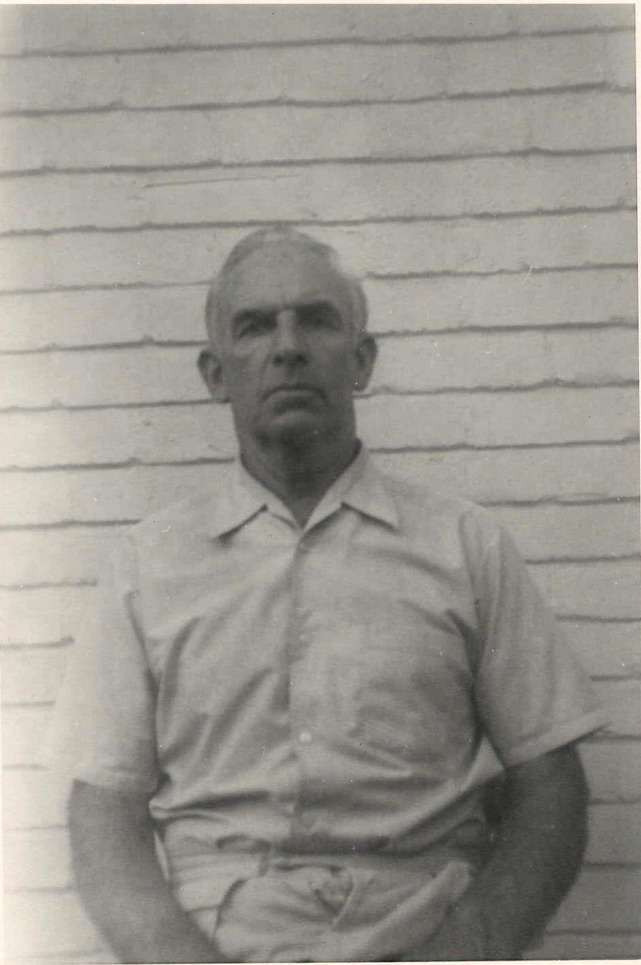
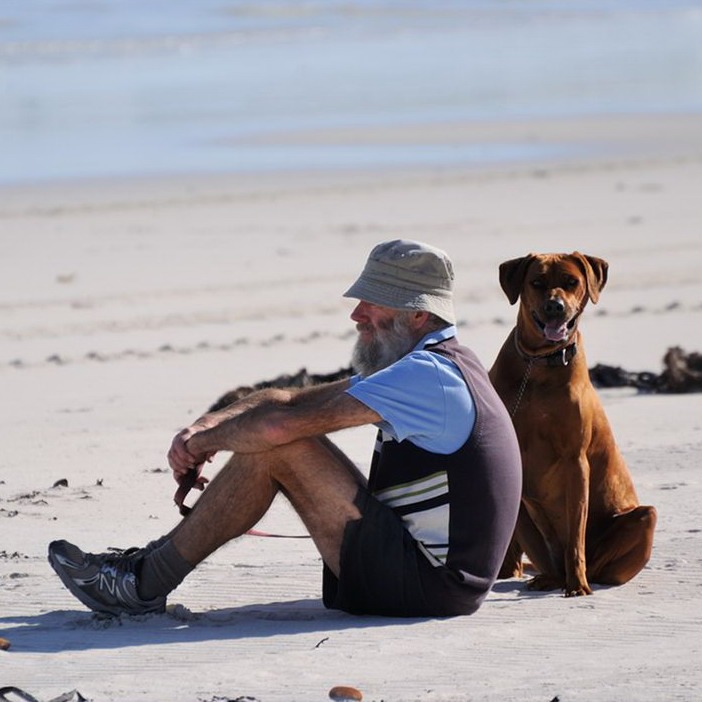
This photograph of my father was taken when he was 60. I asked him to pose with a deadpan expression, and not to look like he was thinking up another iconoclastic witticism. His neck and shoulders are strong, his chest deep and his arms powerful. His stomach is flat and there is no vestige of flab on him. He continued to exercise and keep fit well into his eighties. He was still doing press-ups at 90, and he lived to 98, just a year and four months short of a hundred.
I took over his dumbbells but never used them. Then, a few weeks ago I came across them in my garden shed. After brushing off the worst of the rust, I attempted three curls.
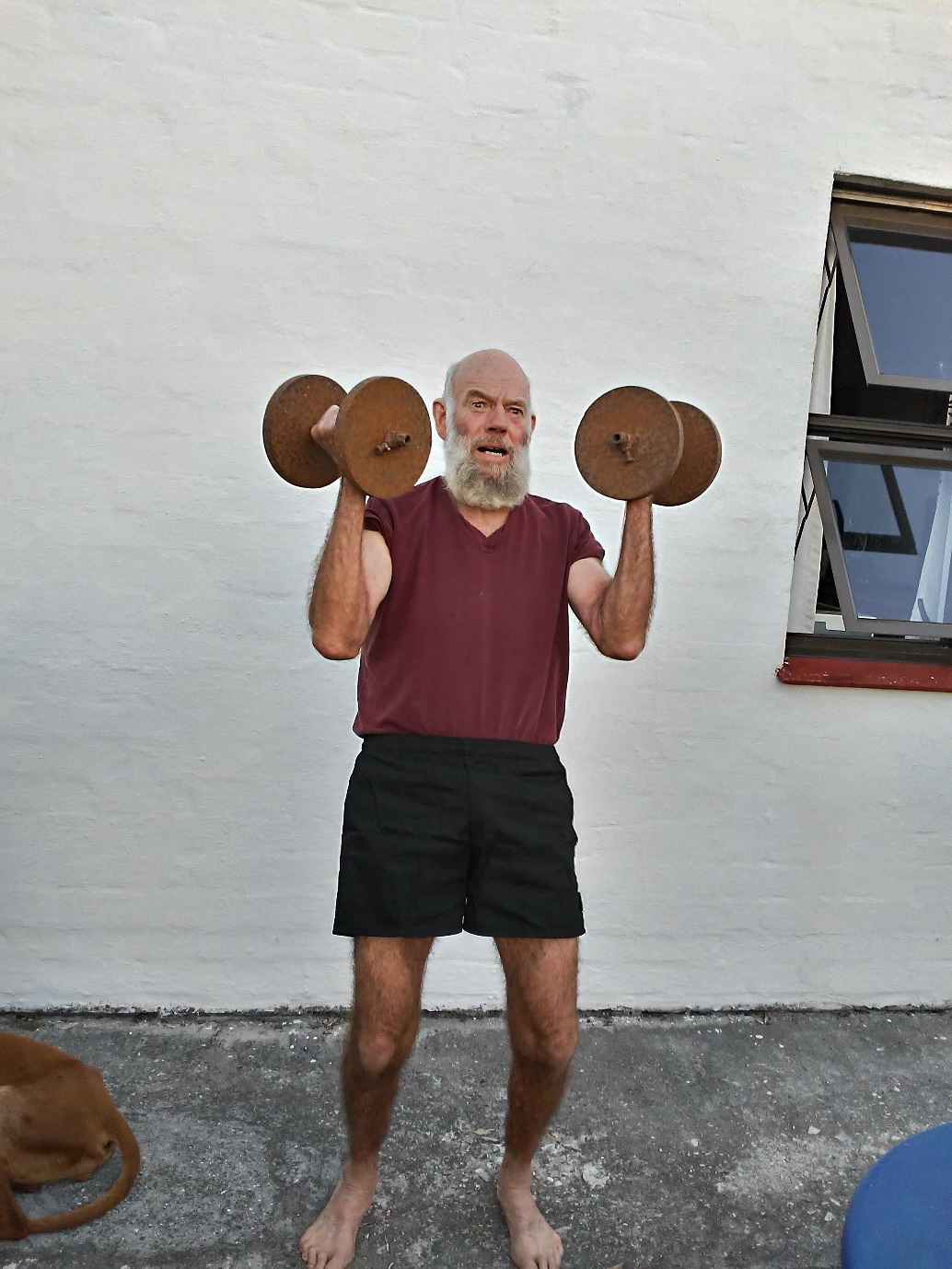
As is evident, I struggled to lift the 10kg weights and for the next three days, I was obliged to dose myself with anti-inflammatories. There can be no denying that my father was a far tougher physical specimen than I am.
To view my longer work as an author, you can find me on Smashwords here.
This is my writer's blog and it's a pleasure to have your company. You’ll see that the site is designed to showcase my writing.
View ProfileXplorio is your local connection allowing you to find anything and everything about a town.
Read MoreBy the fifth year after the coup, the Council turned its attention to a sector long neglected, yet essential to any sovereign nation: defence.
By 2031, as the housing and agricultural sectors surged forward, the Council turned its attention to another pillar of national recovery: healthcare.
The Second Address to the Nation, delivered on 15 December 2026, was the most widely watched broadcast in South Africa's modern history.
The the close of 2027, a year after the September Intervention, the effects of the Council's reforms had begun to reshape South African society in visible and measurable ways. While challenges persisted, there was a growing sense that the machine...
By the second year of the Council's stewardship, it had become evident that South Africa's future depended not merely on political stability or economic revival, but on the quality of its education system.
By the third anniversary of the September Revolution, the Council's achievements in restoring governance, stabilising the economy, and revitalising eduction had begun to bear fruit. Yet, as Harvey Jacobs repeatedly emphasised, "a nation cann...