



Revolution: Chapter 12 - Defending the Nation
By the fifth year after the coup, the Council turned its attention to a sector long neglected, yet essential to any sovereign nation: defence.
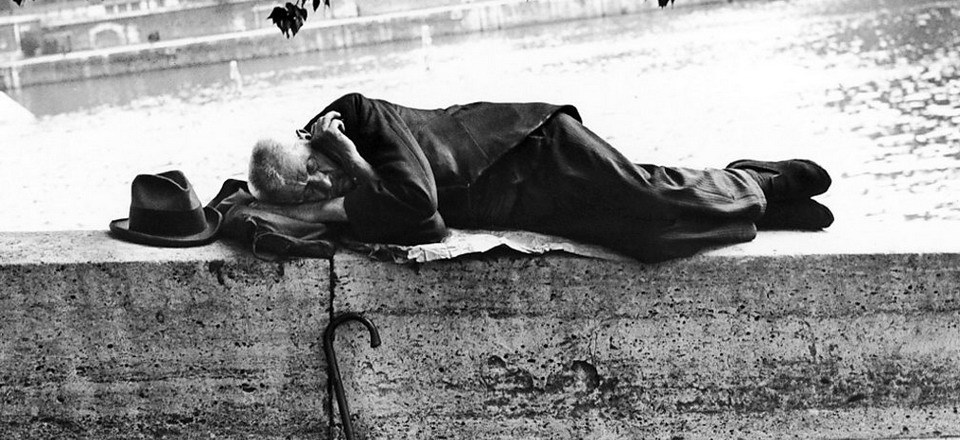
Half a century ago, at the age of 21, I travelled around the UK and Europe for a year. Because I arrived without any money, I had to take temporary menial jobs to finance my stay. I worked on building sites as a labourer, was a window cleaner for a while, and even spent time as a lavatory attendant in Amsterdam in order to pay my way from one place to another. At times I was obliged to live rough, like sleeping on railway benches or in cheap hostels frequented by individuals who were down on their luck.
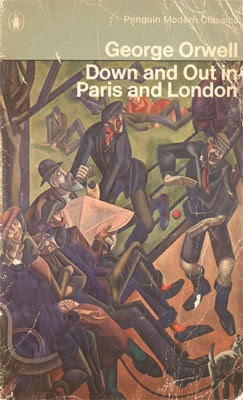
About a year after returning to South Africa, a fellow traveller sent me a book with this inscription in it: ‘Hello there. I wonder, doesn’t this strike a familiar note?’ The book was Down and Out in Paris and London by George Orwell and it did indeed resonate with memories of roughing it in Britain and on the Continent.
It is now fifty years later. A week ago I was sitting in my car outside Blue Bottle Liquors, when a man approached me. He looked exhausted and dehydrated, as if he had been wandering in the desert for a week without a hat. He said he wanted to buy a rooidoppie but was R5 short. Could I help?
As I handed over the coin, I asked him what a rooidoppie was. He said it was a plastic bottle of wine with a red screw top. When he emerged from the bottle store with his purchase I watched him make his way down the street to a narrow alley and he disappeared from sight.
It was then that I remembered the Orwell book and its depiction of Salvation Army refuges, squalid doss houses and grimy city streets. I tried to imagine the kind of life endured by the man I had just helped to buy a bottle of booze. What condition would I be in, I wondered, if I had fallen on hard times and was homeless? I concluded that by now I would most certainly be feeding the worms.
This is my writer's blog and it's a pleasure to have your company. You’ll see that the site is designed to showcase my writing.
View ProfileXplorio is your local connection allowing you to find anything and everything about a town.
Read MoreBy the fifth year after the coup, the Council turned its attention to a sector long neglected, yet essential to any sovereign nation: defence.
By 2031, as the housing and agricultural sectors surged forward, the Council turned its attention to another pillar of national recovery: healthcare.
The Second Address to the Nation, delivered on 15 December 2026, was the most widely watched broadcast in South Africa's modern history.
The the close of 2027, a year after the September Intervention, the effects of the Council's reforms had begun to reshape South African society in visible and measurable ways. While challenges persisted, there was a growing sense that the machine...
By the second year of the Council's stewardship, it had become evident that South Africa's future depended not merely on political stability or economic revival, but on the quality of its education system.
By the third anniversary of the September Revolution, the Council's achievements in restoring governance, stabilising the economy, and revitalising eduction had begun to bear fruit. Yet, as Harvey Jacobs repeatedly emphasised, "a nation cann...