



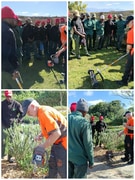
Horticulture Students Learn Power Tool Safety
The Horticulture Skills students enjoyed a power tool demonstration by Husqvarna...

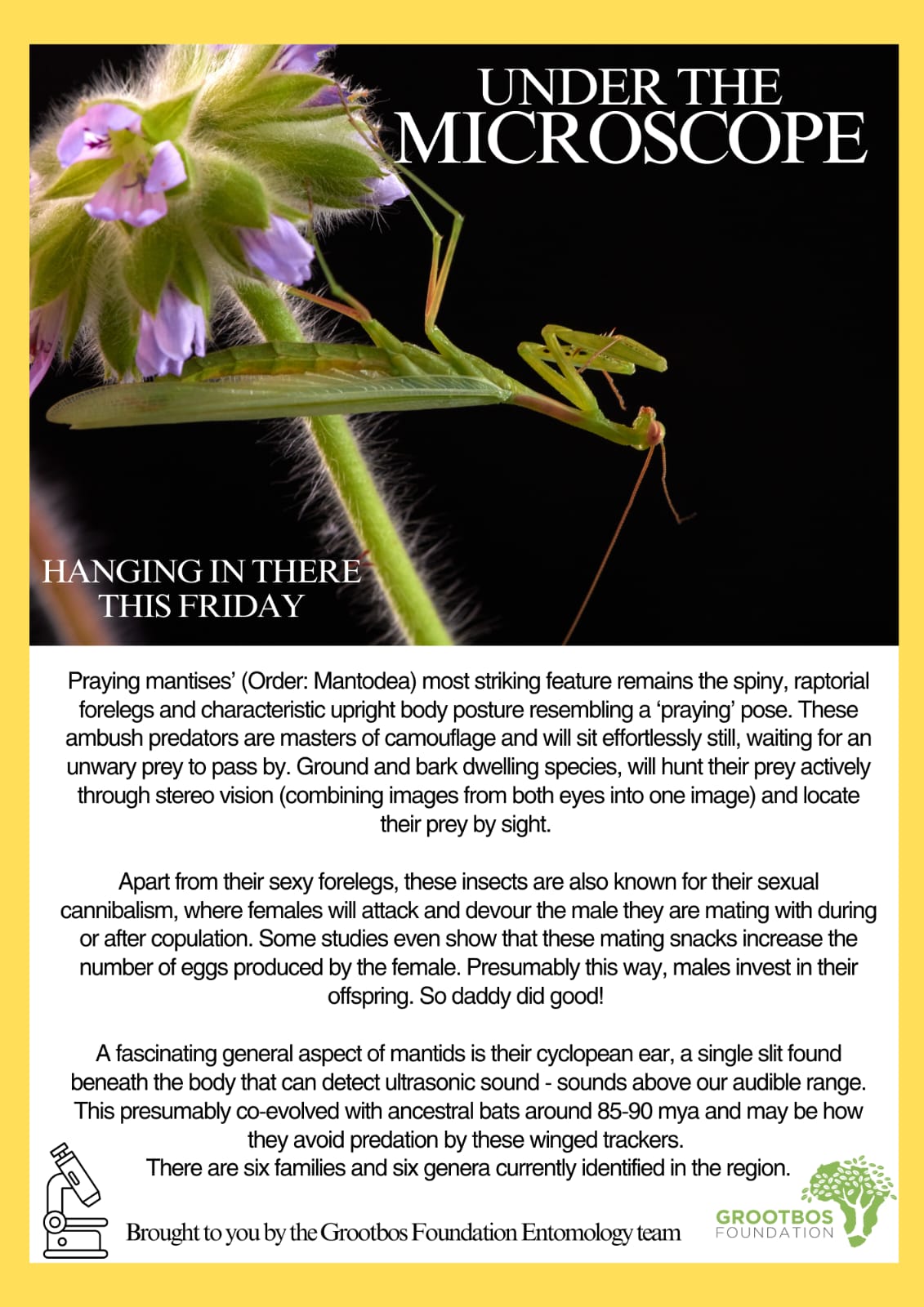
This week, we’re learning about the amazing praying mantis (Order: Mantodea)! These insects are famous for their spiky front legs and upright "praying" pose. They are expert hunters, staying very still to surprise their prey. With special eyesight, they can track and catch food with incredible precision.
Mantises are also known for their unusual mating behavior. Female mantises sometimes eat the male during or after mating. Scientists think this helps the female produce more eggs and ensures stronger offspring - thanks, Dad!
Another cool fact is that mantises have a special ear under their body that can hear high-pitched sounds (like those made by bats). This helps them avoid becoming food for other animals.
There are six types of mantises in this region, each one unique and fascinating.
Grootbos Foundation is a registered non-profit organisation in Gansbaai dedicated to conserving the Cape Floral Kingdom while uplifting the communities that call it home. The foundation protects over 22,200 hectares of fynbos and biodiversity across Grootbos Private Nature Reserve and the Walker Bay...
View ProfileXplorio is your local connection allowing you to find anything and everything about a town.
Read MoreThe Horticulture Skills students enjoyed a power tool demonstration by Husqvarna...
One of our job pathway programmes begins in the Life Orientation classes of 2 local high schools...
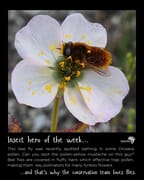
Grootbos Foundation entomologists have begun to nominate their insect heroes to share their fascination with 6-legged creatures with us.
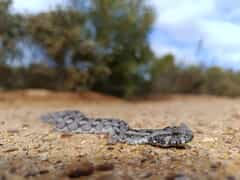
Our parting shot this week is of one of the team's favourite reptiles... a Southern Adder (Bitis armata).
Grootbos Foundation begins with a story that joins the dots between conservation, job creation and community upliftment among local women.
We are excited to share this video created by the 1KSA/Diplomics team...