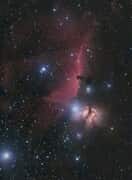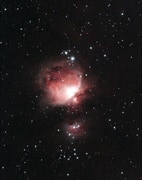



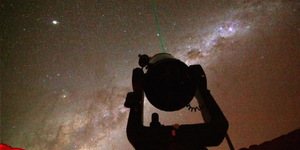

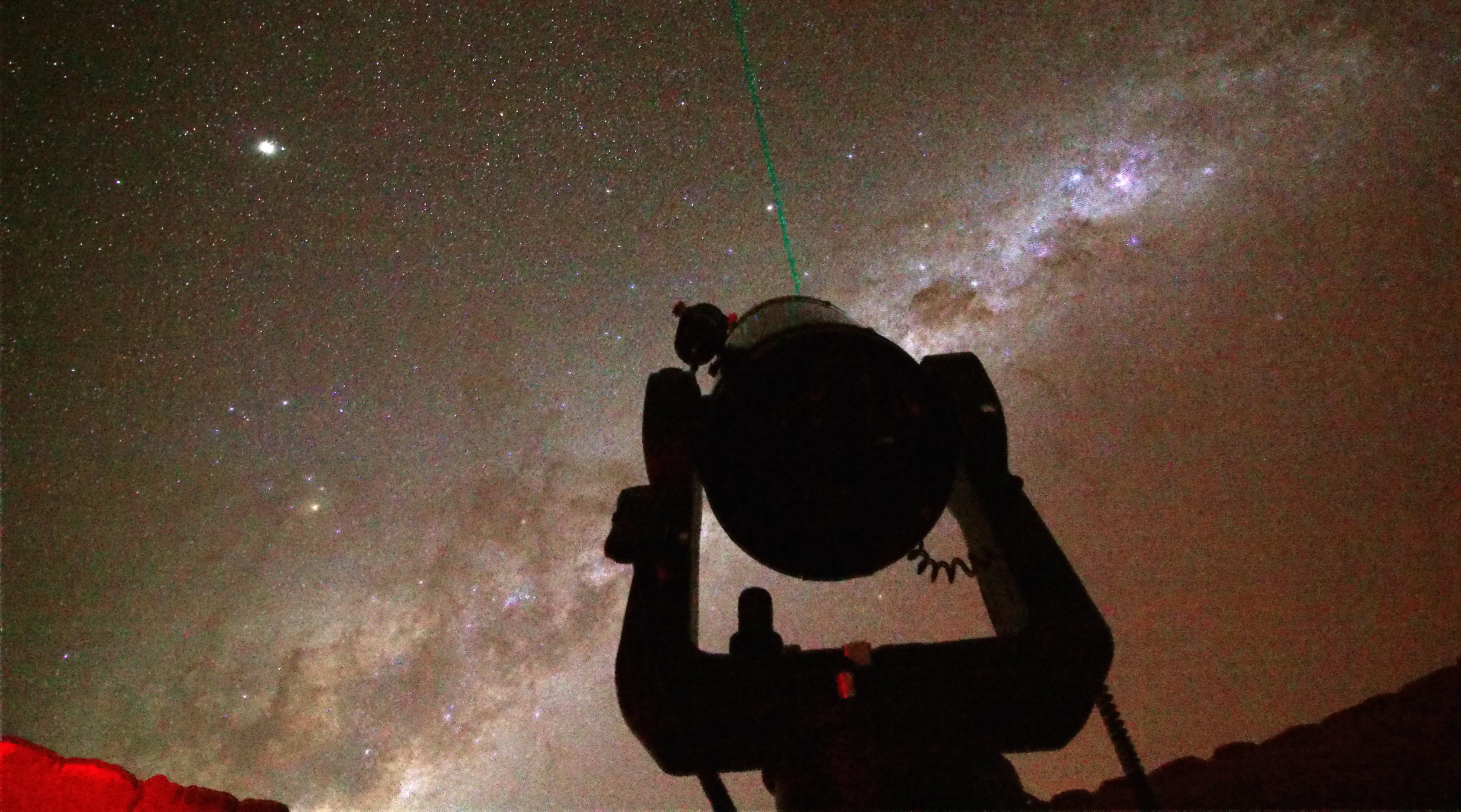


Blue Horsehead Nebula and Milky Way
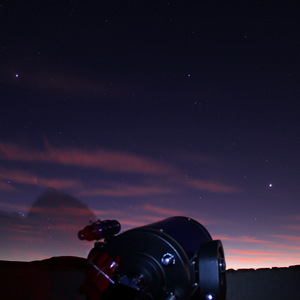
We're getting some good stargazing weather in Pearly.
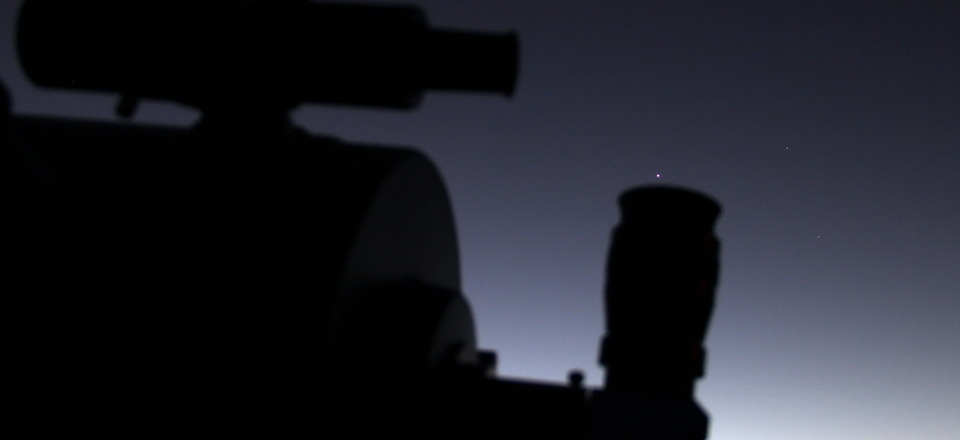
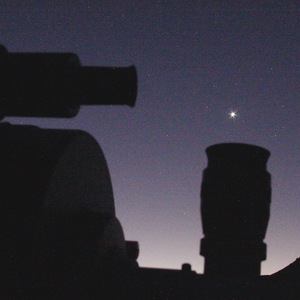
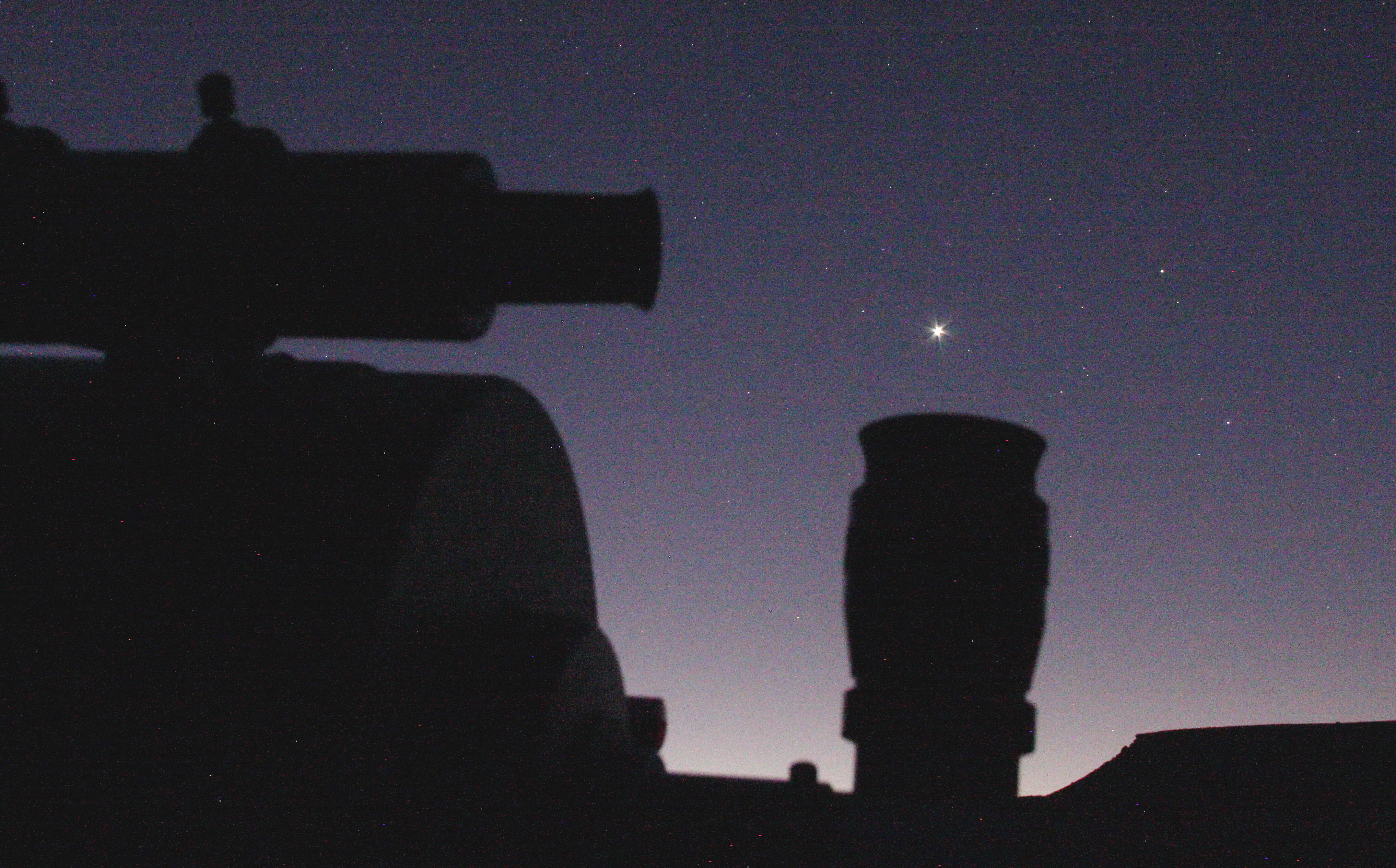
Four of the five naked-eye planets are visible in our evening skies, Venus, Jupiter, Saturn & Mars. The brightest one of them, of course, is Venus, which can readily be seen in the west shortly after sunset.
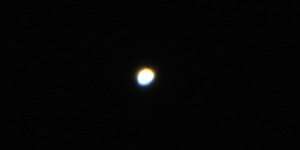
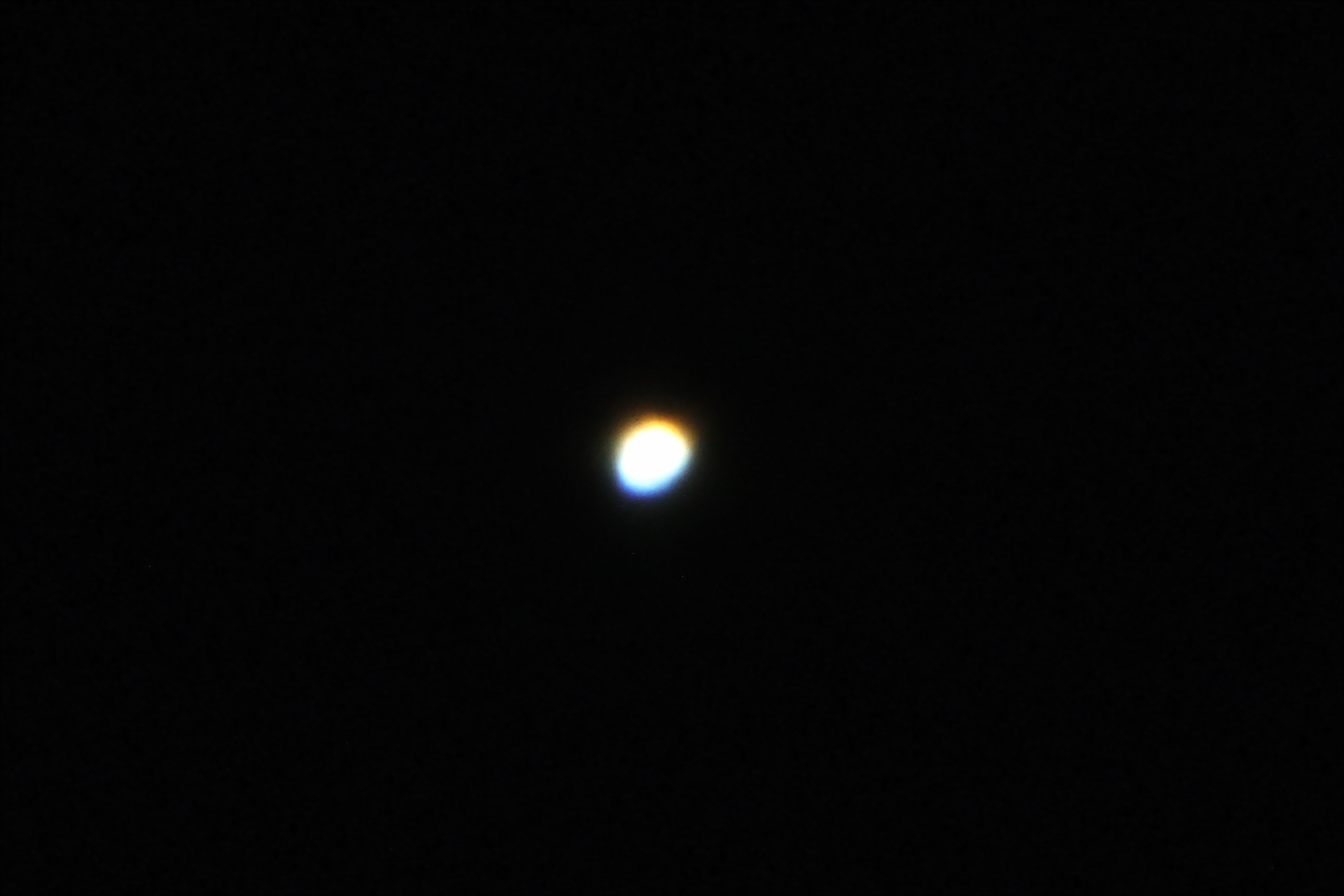
Known as the goddess of beauty, the planet is visible during the day and casts shadows at night. Half the time it rises ahead of the Sun and the other half sets after it. Reaching an apparent magnitude of -4.6, it is twelve times brighter than the brightest star in the evening sky, Sirius. The reasons for its brightness is it's proximity to the Sun and closeness to the terrestrial observer and the high value of its albedo (80%).
The planet, like our Moon, goes through a complete cycle of phases (current gibbous phase), and experiences all the seasons in one Vesuvian day, that last 243 of our Earth days, as it swings past the Sun once every 224 days.
With a surface temperature of 464º, due to an exaggerated form of the greenhouse effect, a surface pressure 90 times that of the Earth, no water, lots of dust in the air and an atmosphere that consists of 97% carbon dioxide, it is NO TOURIST PARADISE. Oh, and I nearly forgot, rotating in a retrograde motion, (the only planet that does that in the solar system), the Sun rises in the west and sets in the east. And they call it the Goddess of Love!
Southern Cape Astronomy Club meets at least once a month for stargazing or observation evenings close to new Moon or during astronomical related events. The well-established club is based in Pearly Beach just outside Gansbaai.
View ProfileXplorio is your local connection allowing you to find anything and everything about a town.
Read MoreWe're getting some good stargazing weather in Pearly.
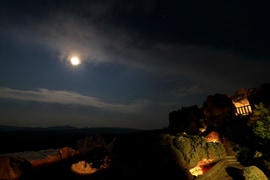
Some images from this morning's (28/08/26, at 04:30) partial Lunar Eclipse from Kagga Kamma in the Cederberg.
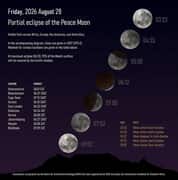
A partial Lunar Eclipse occurs this Friday morning (28th August 2026).
Having much fun with the S30 Pro, but these early mornings are killing me, especially when there's a morning trail.
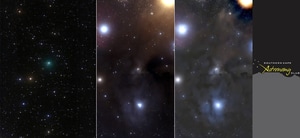
Comet 10P Tempel 2 last night (16/08/2026). Total exposure is 80 minutes with an S30 Pro.
A 3 am wake-up with some clear skies and not much wind.