









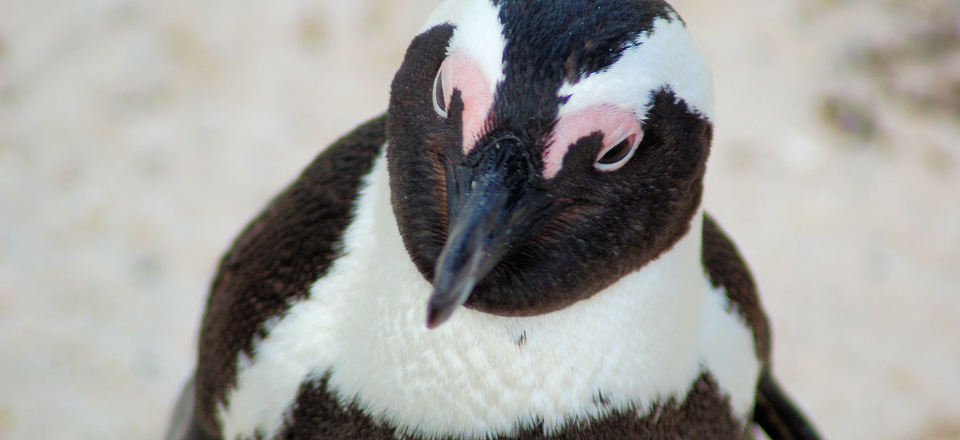

The highly pathogenic H5N8 strain of avian influenza has caused the death of a small number of African penguins. Although this is cause for concern, there is very little we can do to prevent a possible outbreak. It is a frustrating situation because our natural reaction is to “DO SOMETHING”. Unfortunately,this is one of those situations where we will just have to hope that the natural resilience of the tenacious African penguin will weather the storm.
The APSS has managed to treat one African penguin successfully but the prognosis for successful treatment after neurological symptoms have set in is not good.
The Department of Environmental Affairs, Oceans & Coast branch, all management authorities of seabird colonies and seabird rehabilitation facilities are monitoring the situation. Necessary precautionary protocols to contain the spread of the disease have been implemented. Extended surveillance and collaboration across sectors are assisting with further epidemiological evaluations.
FAQ about avian influenza:
Q: WHAT IS AVIAN INFLUENZA?
A: Avian influenza, also known as ‘avian flu’ or ‘bird flu’ is an infection of wild birds and commercial or domestic poultry and ostriches. Waterbirds are the natural host of avian influenza. Avian influenza viruses are within the group of ‘influenza A viruses’ and are classified into subtypes according to two proteins found on the surface of the virus. These proteins determine the kind of species (birds, pigs, or humans) that the virus can infect. These two proteins are:
Haemagglutinin (H) – There are 18 haemagglutinin subtypes
Neuraminidase (N) – There are 11 neuraminidase subtypes.
Q: WHAT IS THE RISK OF THE CURRENT AVIAN INFLUENZA (H5N8) INFECTING HUMANS IN SOUTH AFRICA?
A: The risk is very low. No symptomatic cases of human infection with avian influenza viruses have been documented in South Africa, even following the outbreaks of highly pathogenic avian influenza in South Africa in 2004, 2006, 2011-13 and 2017. The H5N8 strain that we are currently dealing with has not been shown to infect humans and, on the basis of current knowledge, it is considered a very low public health risk. It is predominantly a bird virus.
Q: HOW IS AVIAN INFLUENZA TRANSMITTED?
A: In the wild, avian influenza is most often spread by direct contact between infected birds and healthy birds. The avian influenza virus is found in secretions from the nares (nostrils), mouth, and eyes of infected birds and is also excreted in their droppings (excreta). Contact with contaminated droppings is the most common means of bird-to-bird transmission. In poultry houses, airborne secretions are another important means of transmission.
Q: CAN ANYTHING BE DONE TO PREVENT THE SPREAD OF THE DISEASE IN THE WILD?
There is no benefit to be gained in attempting to control the virus in wild birds through culling or habitat destruction. Increased surveillance and the removal and correct disposal of carcasses can mitigate the spread of the disease. The relevant authorities will implement these actions according to the correct protocols if required.
Q: WHAT ARE THE SIGNS OF AVIAN INFLUENZA IN SEABIRDS?
Affected birds show neurological signs such as twitching and head tremors and may have difficulty breathing. Terns and other flying birds often lose their ability to sustain flight and will be seen flapping around on land or in shallow water.
Q: WHAT MUST I DO IF I FIND A SICK SEABIRD?
Sick seabirds in the Overstrand area should be reported to the African Penguin & Seabird Sanctuary (APSS). Members of the public will then be advised as to how to deal with the bird. As a precautionary measure, it is advisable that you do not touch these birds if you have pet birds at home or if you are working in the poultry or ostrich industry.
Q: WHAT MUST I DO IF I COME ACROSS ANY DEAD SEABIRDS?
If you do come across any dead seabirds on the beach we would like to request that you take a photo of the birds, note the location, number of dead birds and species if you are able to identify the species. Please send this information to us.
.jpg?width=431&height=242 "Watch the Stanford Video")








.jpg?width=250&height=182 "1. The Countryside Lifestyle")