










Understanding Self-Sabotage in Entrepreneurship
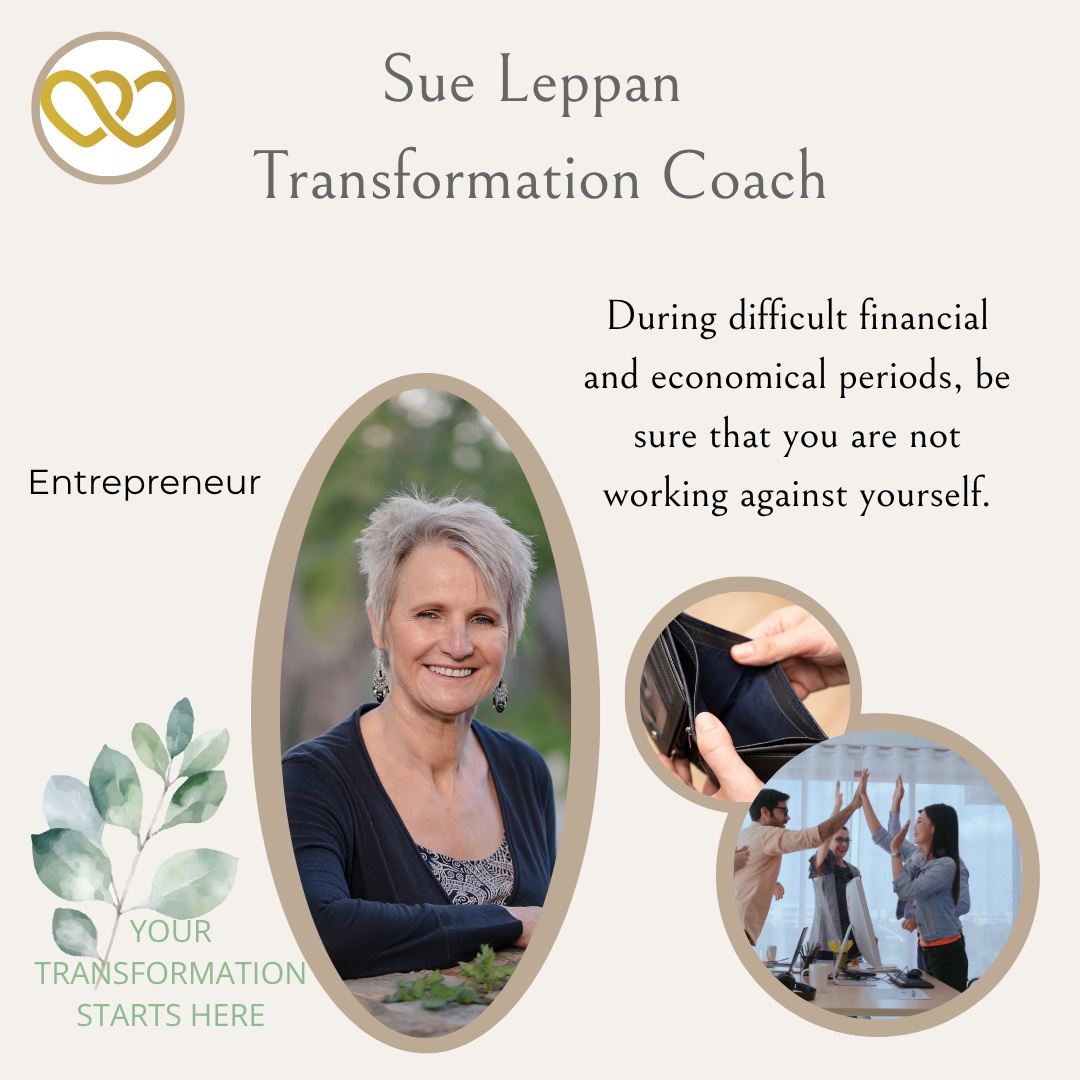
Self-sabotage is the silent destroyer of success, quiet, subtle, and consistently present. It appears in hesitation, overthinking, and pulling back just as progress begins, often feeling justified because it is rooted in fear and doubt. These patterns are anchored in beliefs formed during times of uncertainty, danger, or lack of control: “I need to be careful,” “What if this fails,” or “Let me not risk too much.” From a neuroscience perspective, this is your brain functioning as designed, not to grow you, but to protect you.
When stability is threatened, security challenged, or failure seems possible, you react automatically, guided by familiar patterns that feel protective. This is where entrepreneurs either plateau or expand. Growth does not come from fearlessness, but from awareness, the recognition that you have a choice: to live by outdated behaviors or to challenge thoughts, beliefs, and patterns that no longer serve you.
The shift most avoid is taking accountability, not as blame but as power, realizing that if you are the one repeating patterns, you are also the one who can change them. Entrepreneurship constantly balances the skills and knowledge you’ve built with the limitations you carry; growth requires holding onto what works and letting go of what keeps you small.
Difficult times are not obstacles but mirrors that reveal patterns and nudge change. The ultimate question is whether you are building your business or unknowingly working against it. During challenging financial and economic periods, awareness of these patterns is critical, and if this message resonates, you already know where to look.