







Orchids are the botanical masters of lying, cheating and stealing.
There are over 28 000 species of Orchid on earth, about as many as all the bird, mammal and reptile species combined. They grow all over the world, bearing every imaginable shape and pattern, with a cunning purpose behind these elaborate displays.
Many orchids fool insects into pollination using all kinds of trickery. Orchids do not offer the sweet reward of nectar like most flowers. Instead, they produce a sweet scent to attract insects and in some cases might even bear resemblance to a possible female mate.
How did all these bizarre adaptations come to be(e)?
Orchids date all the way back to the Middle Miocene Epoch, 15 - 20 million years ago when there were no small mammals or other possible pollinators around.
They had to develop intricate mechanisms to attract insects to do their pollination for them. Random genetic mutations in orchids might result in a trait, like a scent, or shape that by chance matches the need for a single insect species.
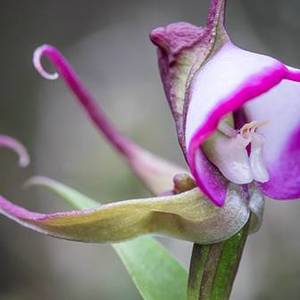
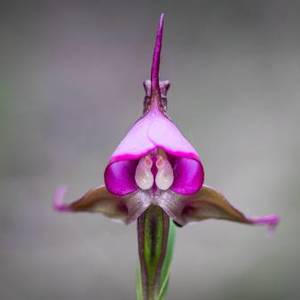
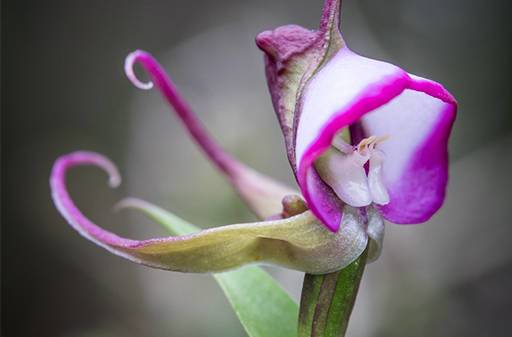
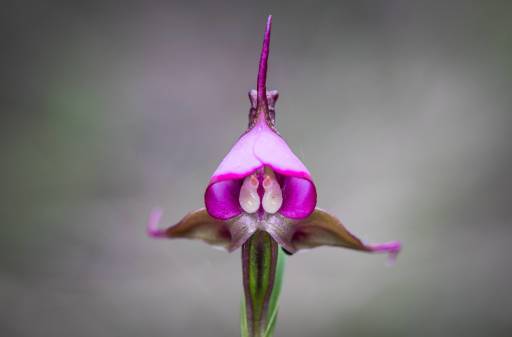
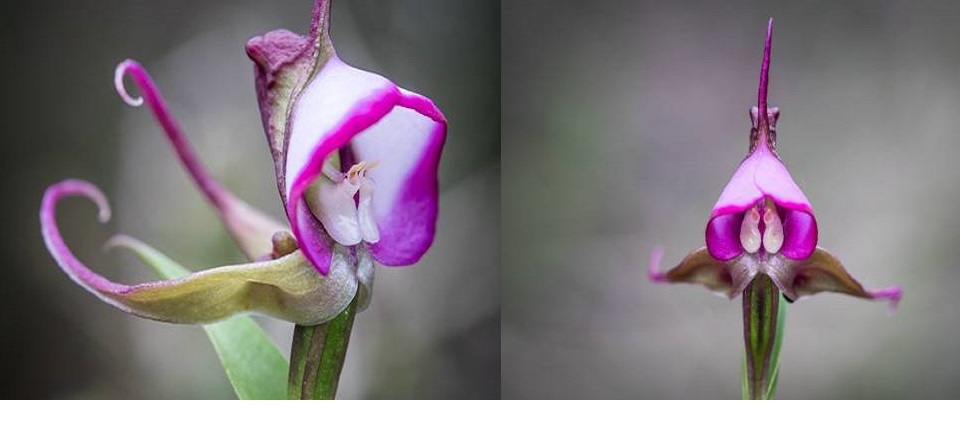
A familiar orchid found on Grootbos, Disperis capensis is a very distinctive orchid with a large purple hood and two long spurs that stick out the sides, curving backwards.
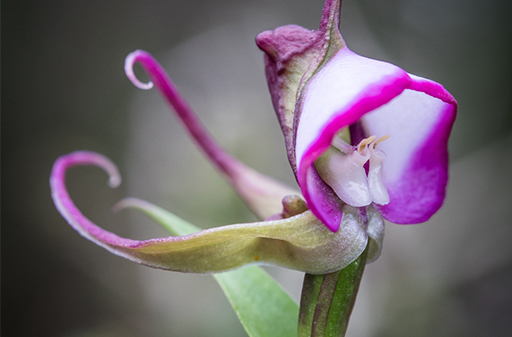
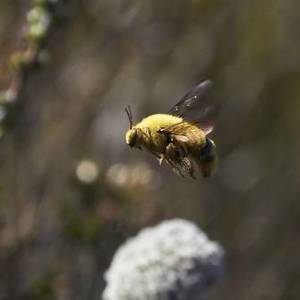
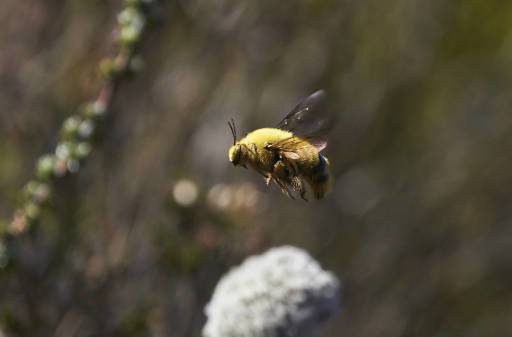
Commonly referred to as a moederkappie (granny’s bonnet) in Afrikaans, these deceptive grannies don’t offer any sweet treats to carpenter bees (Xylocopa) when they come to visit. In fact, research has shown that the orchid mimics the flowers of a polygala flower (umbellata).
Sharing similar traits such as large purple petals and a central patch of white, mimicking the fluffy white landing strip that entices the bees.
The landing of the bee triggers a pollen sac to launch itself onto the bamboozled bee with a spring-like action. Once the bee realises that it had been taken for a fool, it sets off disappointed and still hungry in search for the real deal.
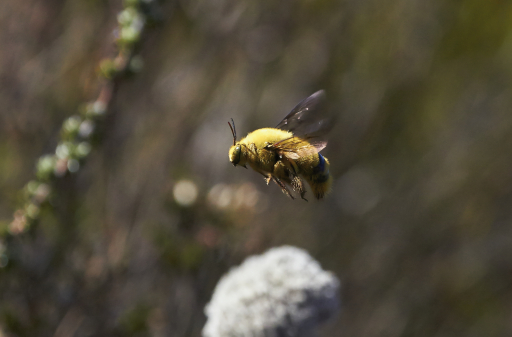
Following its instincts to find the next polygala, it picks up a familiar scent and sets its new course for a sweet reward, only to make the same mistake again and deposit the pollen into another orchid. Fool me once, shame on you, fool me twice, pollination…
Not only do orchids rely on a third party for pollination, but even to grow.
Rarely occurring in the midst of a dense flower population, strategically avoiding the crowds to compete for light and nutrients, orchids are found in desolate and barren places which makes the nutrient-poor soils of Fynbos an ideal environment.
Orchids require the presence of a specialised group of fungi known as Mycorrhizal Fungi in their soil.
The fungus provides the orchid embryo with the nutrients to grow and develop into a seedling when they are old enough to photosynthesize their own food.
Being adaptable is crucial for survival and through hundreds of millions of years, orchids have developed unique scents and look to attract their dedicated pollinators. Orchids might be the most cunning flower of all.
“[Orchids] have outlived dinosaurs; they might even outlive human beings.”- Susan Orlean, The Orchid Thief
For more information, feel free to contact Grootbos Private Nature Reserve directly.