




Gansbaai Wildfires: What Happened and How to Help
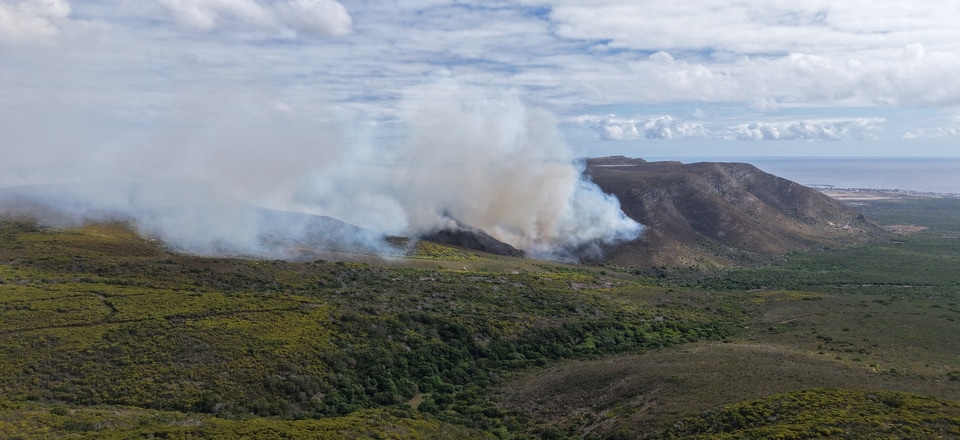
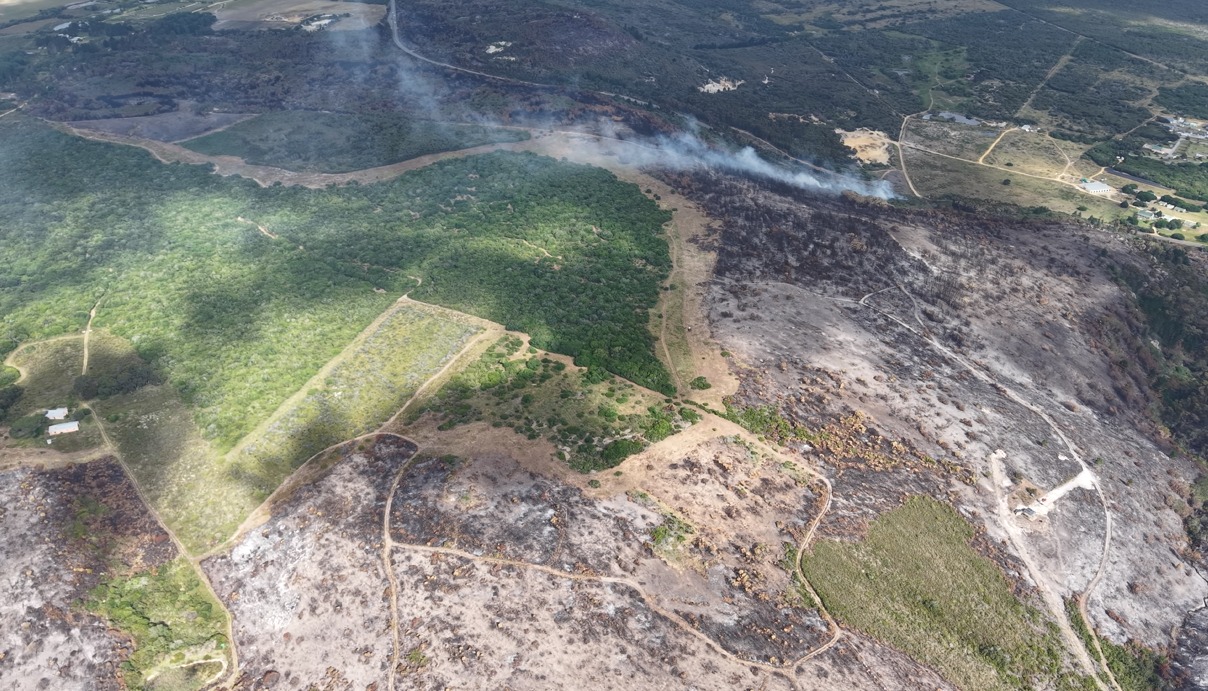
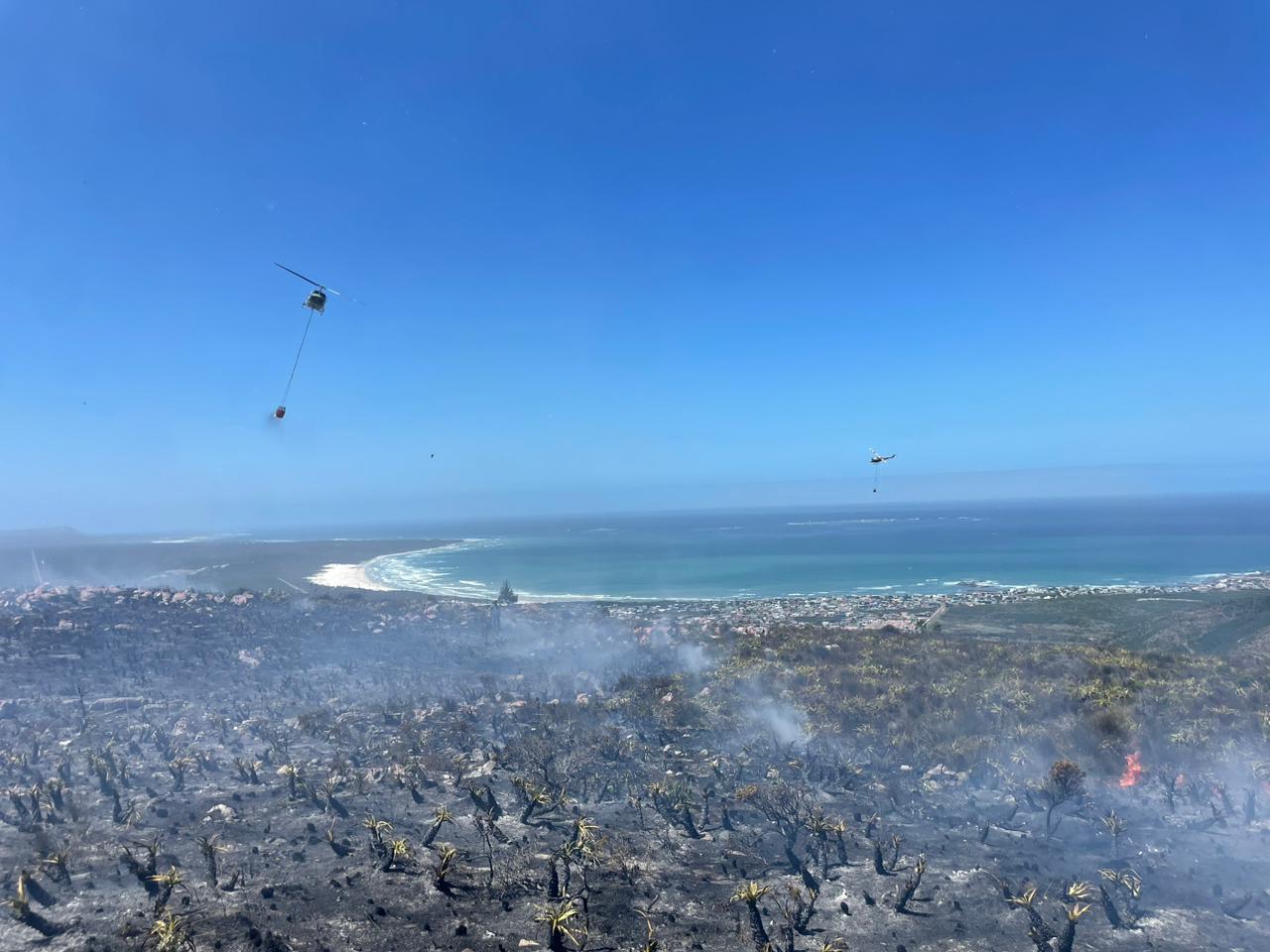
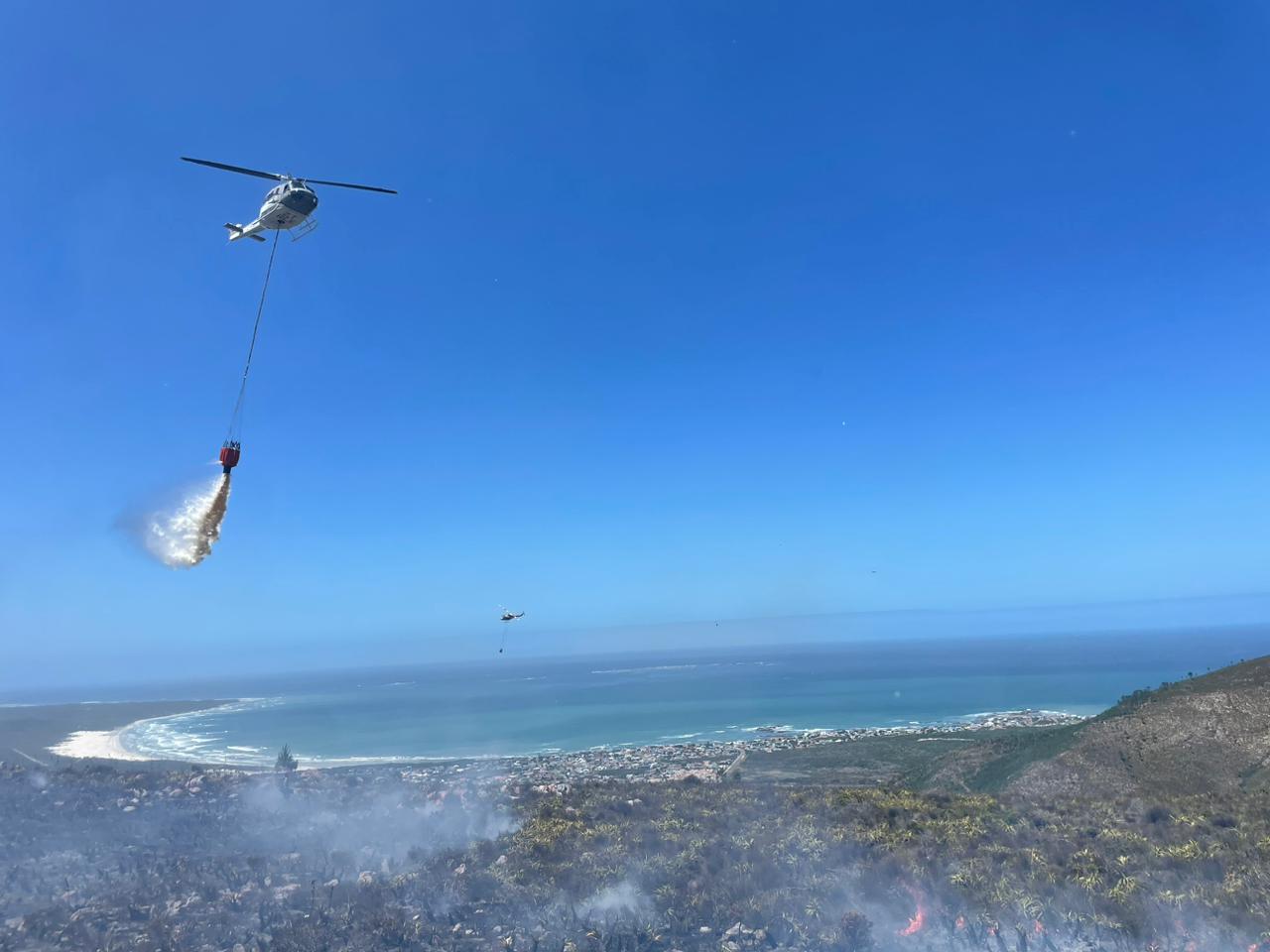
On 25 October, a fire ignited in a remote valley near Gansbaai in the Overberg. With cliffs and dense bush in its path, containing it was almost impossible. What began as a small blaze quickly turned into a ten-day wildfire, sweeping through vast stretches of pristine fynbos in the regions around Gansbaai, Uilkraal Valley, Grootbos, Platbos, and Bodhi Forest.
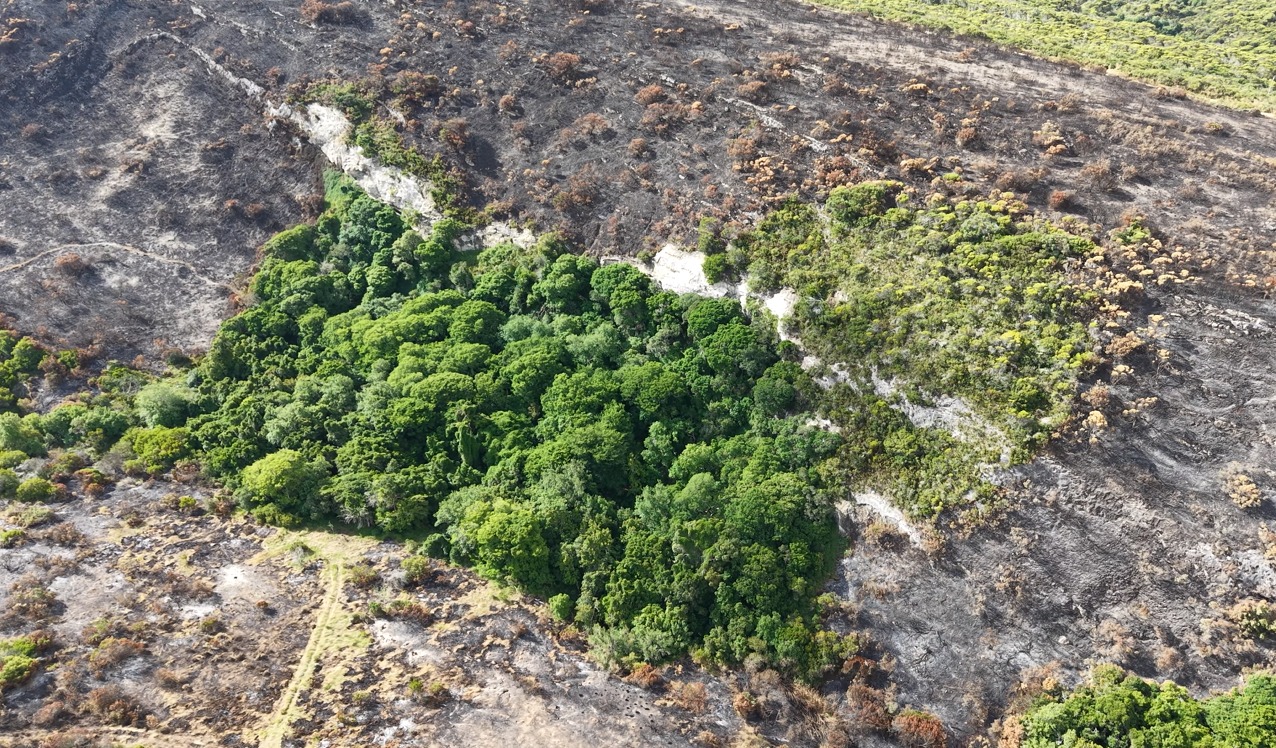
Homes, lives, and livelihoods were protected because the community came together. Fire authorities and landowners coordinated their efforts, firebreaks held strong, alien plants were cleared, and indigenous forests helped slow the fire. Countless animals fled through forests and crossed roads to find safety wherever they could.
The mountain fynbos burned cleanly and cooled quickly, while indigenous forests without alien plants defended themselves naturally. In contrast, some dense alien woodlands are still smouldering, serving as a stark reminder of the importance of careful land management.
What Happens After the Flames
To understand the situation on the ground, we asked Mike Fabricius (Grootbos Private Nature Reserve) and Melissa Saayman (Platbos Forest Reserve) about what happens after the flames and how the community can respond during fire season.
Fire and Fynbos - Mike Fabricius, Grootbos
Fire is an exciting and essential part of the ecosystem we live in. While it must be managed carefully for safety, we should also welcome it.
Fynbos depends on fire to renew itself. Many plants need heat to germinate, and animals instinctively move to safety and return when conditions recover. The Cape Floral Kingdom has evolved with fire for millennia, and its plants and creatures are remarkably resilient.
After a fire, new habitats take shape, and fresh life begins to appear. Watching this process reminds us that fire is not only about loss, it is about renewal, balance, and the quiet resilience of nature.
Mike takes this opportunity to thank everyone who stood together to ward off the flames.
Wildlife on the Move - Melissa Saayman, Platbos
Melissa urges everyone to drive carefully in burnt areas.
With their habitats affected, many surviving animals are moving in search of food and shelter. Tortoises, snakes, and small mammals are crossing roads and are often less vigilant due to stress. Larger wildlife such as bushbuck, grysbokkies, caracal, and even leopards, are moving around, especially at night, as they adapt to their environment.
Staying alert while driving can prevent accidents and give wildlife a second chance in a changed landscape.
Melissa also warns against unnecessary human intervention. It might seem helpful to move a tortoise, but the little guys are already dehydrated and need all the water they can get. Handling one can make it urinate, which can harm recovery. Unless a tortoise is in extreme danger of being crushed on the road, it’s best to leave it alone.
Melissa is grateful for the support she received during the fire and thanks everyone who showed up to help!
What to Do if You Find Injured Wildlife
If you come across any injured reptiles, birds, or mammals, contact the African Penguin & Seabird Sanctuary in Kleinbaai.
• Emergency Contact Details: 072 598 7117
Their team will assess the situation and contact the relevant authorities to ensure the animal gets the help it needs.
Help Protect Our Land and Wildlife
With fire season thrust on us in full force, it’s time to take action!
You can support conservation and help local landowners fight future fires by donating to the Gansbaai Fire Fund.
Funds raised are used to assist local landowners with their firefighting efforts, especially for repairs and maintenance to vehicles and equipment.
Remember, your donation, no matter how small, will go a long way to prepare for the inevitable.
Thank you for your interest and your support!
DONATE NOW VIA GIVENGAIN
Stay up to date with ongoing efforts to manage fire zones on Greenpop’s Facebook Page.
Photo credits: Overstrand Municipality and Grootbos Private Nature Reserve